Arizona House adopts nonbinding resolution calling for Attorney General Chris Mays to resign after disputed remarks
Loading...
Summary
The Arizona House on Feb. 6 passed House Resolution 2,004 (33–25), a nonbinding measure expressing disapproval of Attorney General Chris Mays’ public statements and calling for her resignation. Supporters said her comments threatened law enforcement; opponents defended her record of consumer- and public-safety enforcement.
The Arizona House passed House Resolution 2,004, a nonbinding concurrent resolution expressing disapproval of certain public statements by Arizona Attorney General Chris Mays and calling for her resignation, by a vote of 33 ayes, 25 nays and 2 not voting.
Supporters of the resolution argued Mays’ public remarks created a risk to law enforcement and warranted a resignation. Representative Chaplick said the attorney general “seems to be the most reckless and partisan AG that this state has ever had,” asserting her comments inflamed tensions and endangered officers. Representative Collin, who voted in favor, said he was “very concerned” that the attorney general’s language created a “permission structure” for violence against law enforcement and described the conduct as part of “a long pattern and practice” he considered unacceptable.
Opponents framed their votes around the attorney general’s record on criminal cases, consumer protections and federal funding. Representative De Los Santos and other members listed prosecutions and multiagency drug interdiction results, while Representative Travers said Mays had seized “over 27,000,000 fentanyl pills” and had produced results that merited keeping her in office. Representative Gutierrez and several others urged colleagues to reject the resolution, noting Mays’ role in lawsuits that protected federal funding for state programs.
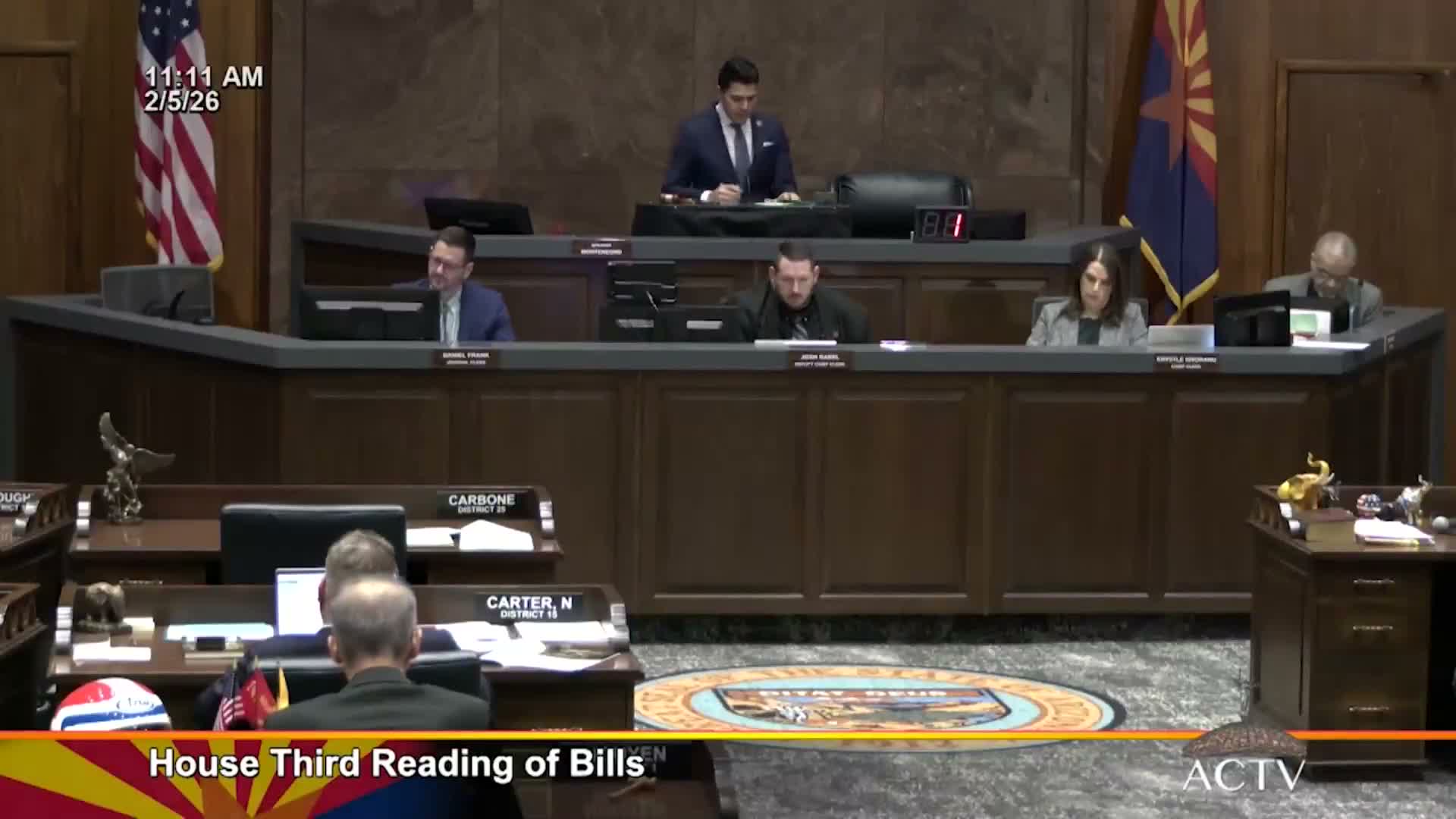
Debate on the House floor featured multiple explanations of vote from both parties and several points of order over relevancy. Supporters emphasized the resolution addresses the AG’s public statements and is not itself a criminal or personnel process; opponents described the measure as partisan political theater and urged colleagues to focus on binding legislation.
The House clerk recorded the final action and the chamber instructed that the nonbinding resolution be conveyed to the Secretary of State.