Get Full Government Meeting Transcripts, Videos, & Alerts Forever!
Get email alerts on the Personnel topic
No spam. Unsubscribe anytime.
Riley County HR reports staffing levels, flags benefits-rate increase for 2027
Summary
Riley County Human Resources reported 285 regular employees, 10 current job openings, an annualized turnover rate of 8.42% and recommended raising the employer benefits-rate estimate from 39.5% to 42% to reflect a projected 8.32% increase in health-insurance costs for 2027.
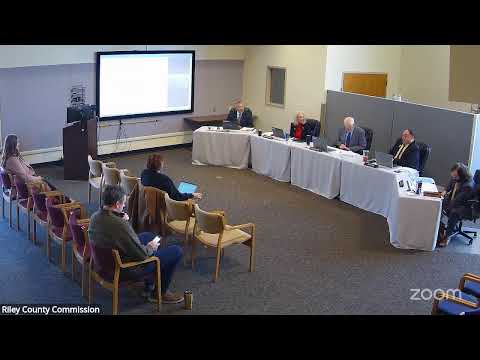
Elizabeth Ward, Riley County human resources director, updated commissioners on December and January personnel figures and benefits planning.
"Our current head count is 285 in our regular employees," Ward said, and she summarized that seasonal employees number about 350. Ward reported an annualized turnover rate of 8.42% and average employee tenure of about 9.96 years. She told the commission there are 10 open positions and that hiring for specialized roles has been especially challenging.
Ward said county staff have historically used an employer benefits rate of 39.5% of projected salary and recommended adjusting that estimate to 42% for budgeting purposes. She told commissioners the employer portion of health insurance was projected to increase by 8.32% for 2027, and she offered to provide department-level breakdowns that show how KPERS/KP&F contributions and health-insurance differentials affect each department’s personnel budget.
Commissioners asked for additional data and a departmental presentation of salary-plus-benefits calculations; Ward agreed to provide a template showing how salary, benefits and pension contributions interrelate.
Next steps: HR will provide the requested department-level breakdowns and a historical summary of benefit-rate changes back to 2020 to inform upcoming budget deliberations.