Lifetime Citizen Portal Access — AI Briefings, Alerts & Unlimited Follows
Norwalk School District emphasizes digital-citizenship curriculum, keeps strict in-class device expectations
Loading...
Summary
Dr. Alexandria Estrella told parents the Norwalk School District has rolled out a K–12 digital citizenship curriculum and enforces network controls and 'bell-to-bell' expectations; the district said parental collaboration and student feedback guided cellphone policy changes.
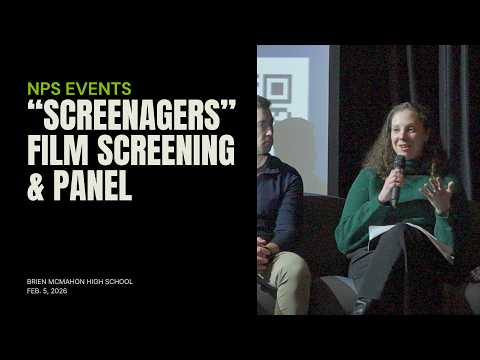
Dr. Alexandria Estrella, superintendent of Norwalk School District, told attendees the district is implementing a K–12 digital citizenship curriculum and uses network controls and digital-coach support to limit student access to distracting content while preserving instructional tools. "Within our networks we can control what happens and what students have access to," Estrella said, adding the district solicited parental and student feedback when developing its cell-phone policy.
The district official said the program pairs curricular instruction with technical guardrails and family outreach. Estrella described work with district digital coaches and named staff collaborators in curriculum development; she called the effort "a partnership" that requires consistent parental involvement because students still have device access at home. "If we don't do it with our scholars then they will wind up finding creative ways of not following the rules," she said.
School staff at the event described how that policy looks in practice. The district follows a near‑districtwide practice of limiting device use during instructional time: younger grades are subject to 'bell‑to‑bell' no-device expectations, while high school students may have limited use during passing periods and lunch under local rules. A library media specialist attending the panel said media literacy and family media plans are already part of school services and that schools can provide resources to parents seeking to set screen-time expectations.
Panelists also discussed classroom-level practices that reduce device distractions, such as voluntary phone holders and teacher-managed phone containers. A high-school student described voluntarily placing phones in a container during class and said that engaged lessons reduced temptation to use devices. The district said it will review specific parent requests — including a petition to limit computer use during indoor recess — and bring issues to board discussion if needed.
The session closed with Estrella inviting parents to stay involved: "We have made it our mission to solicit parental input," she said, and encouraged families to work with schools as the research on child development and technology evolves.
The district provided pamphlets and resources at the event for families who want tools and sample family media plans.