DOE says Constitution Pipeline would ease New England shortfalls, blames political opposition
Loading...
Summary
Department of Energy officials told reporters the Constitution Pipeline could have relieved New England's winter fuel constraints and said political blockages — not a lack of customers — are the main obstacle to its construction.
WASHINGTON — Department of Energy officials argued the Constitution Pipeline would deliver lower‑cost natural gas to New England at peak demand and could have reduced reliance on expensive oil generation during the recent storm, but they acknowledged the project faces persistent political opposition in some states.
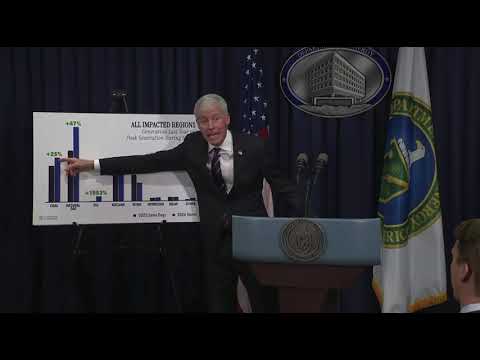
Secretary Wright described New England's situation at peak demand as constrained by pipeline capacity and said that, had the Constitution Pipeline been available, natural gas could have been delivered to generators instead of relying on oil. "Natural gas would have easily filled all of that electricity as well, but couldn't get it to market," Wright said, calling political objections "a perfect example" of policy that prevents cheaper, cleaner inputs reaching the market.
When asked about petitions filed with FERC and whether the pipeline has customers identified, Wright rejected suggestions there were no customers and said he expected demand to materialize once political barriers eased. In a follow‑up, he told a reporter he has spoken with New York Governor Kathy Hochul "since the day I arrived in office" about pipelines and said he expects continued engagement.
Deputy Secretary James Stanley addressed federal jurisdiction questions raised by others in the briefing and said petitions referenced matters of FERC tariffs and interconnection procedures rather than an attempt to displace state jurisdiction under the Federal Power Act.
DOE officials described the effort as part public outreach and part technical review, citing nonpartisan studies and regional operator reports to make the case for additional natural gas capacity into New England. They did not announce a new federal action or a change to FERC processes during the briefing.
What happens next: DOE said it will continue public engagement, include technical studies in its outreach, and work with regional stakeholders on resource adequacy and gas‑electric coordination.