Residents press city to excavate, not cap, at contaminated 1300 Cleveland site; DNR testing and RAOR underway
Loading...
Summary
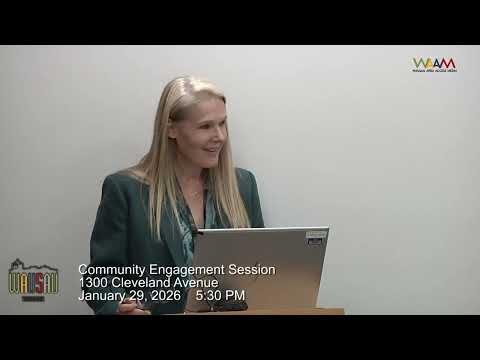
At a Wausau neighborhood meeting residents recounted buried barrels and local cancer concerns at 1300 Cleveland Avenue; city staff said the DNR required PFAS groundwater testing, the site investigation closed in 2025, and the city is preparing a Remedial Action Options Report (RAOR) with options that could change depending on a future redevelopment plan.
Longstanding contamination at the city‑owned 1300 Cleveland Avenue parcel was the central concern Tuesday evening as multiple residents recounted firsthand knowledge of buried barrels, a contaminated pond and illnesses they link to site pollution, and urged the city to excavate rather than cap the property.
Public works director Eric Lindman told the room that the city’s environmental consultant began Phase II soil borings in 2020, found contamination in soils and submitted samples to the Department of Natural Resources. The DNR issued a responsible‑party letter because the city owns the property and approved the site investigation work plan in 2021. Lindman said the DNR required two rounds of PFAS groundwater sampling; staff completed those rounds and the site investigation was formally closed in 2025.
"There will be remediation required," Lindman said, adding that while soils exceed nonindustrial standards they have not been classified as hazardous waste and so removed soils would be taken to the Marathon County Landfill. He said the city is preparing a Remedial Action Options Report (RAOR) that lists four remediation approaches; the preferred approach could change if a redevelopment plan is adopted before the RAOR is finalized.
Several residents described observing hundreds of barrels buried in the site’s pond area and reported neighborhood cancer cases they believe are linked to contamination. One resident said, "I personally believe it shouldn't be for any kind of residential because of all this stuff," and urged the city to consider nonresidential uses such as storage to prevent putting homes where contamination remains.
Residents repeatedly asked why the city could not require remediation to residential standards now instead of awaiting DNR direction; Lindman and other staff said the DNR is coordinating oversight, the city obtained an extension to submit the RAOR through January, and the agency has indicated a willingness to work with the city. City staff and a council member pointed to past large excavations — such as East Riverfront work referenced by residents — as precedent for full removal in redevelopment projects.
City staff encouraged attendees to document and submit verified observations (exact locations of barrels or features) for follow‑up and urged residents to provide public comment at the Economic Development Committee meeting if they want concerns on the formal record. The neighborhood meeting organizers also announced that a DNR representative will present on the brownfields program at the next neighborhood meeting to address remediation standards and technical questions.
No excavation or remediation decision was made at the meeting; staff said the RAOR and DNR input will inform next steps and that remediation requirements could vary by chosen future land use.