Get Full Government Meeting Transcripts, Videos, & Alerts Forever!
Get email alerts on the Staff Substance Policies topic
No spam. Unsubscribe anytime.
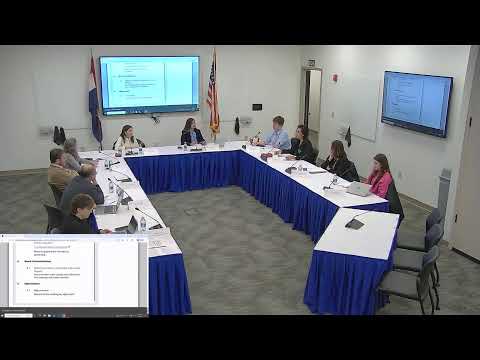
Clayton board debates wording and enforcement of drug- and alcohol-related staff policies
Summary
Board members queried proposed changes to a drug-free workplace policy and an employee alcohol/drug testing policy, including a contested 'required district activities' clause and a four-hour rule for drivers; administration described reasonable-suspicion procedures and promised citations be added.
The Clayton School Board reviewed first readings of two personnel policies addressing substance use and testing, with members raising questions about scope and enforceability.
On the drug-free workplace policy (GBEBA), board members asked why the draft limits prohibitions to "required district activities" and raised concerns that the wording might leave gaps when staff are present at district events involving students. One member suggested removing the word "required" from the first clause to avoid ambiguity; other members and administrators agreed the district activity definition (events where students are under district supervision) may clarify the intent.
The board also reviewed employee alcohol and drug testing policy (GBEBB). A provision states that drivers "shall not report for duty within 4 hours of using alcohol," a restriction some members called unsafe or unclear because individual alcohol metabolism varies. Administrator Kelly (Speaker 11) described the district’s reasonable-suspicion procedure: trained staff document observable signs (slurred speech, excessive sleepiness) and, if reasonable suspicion exists, the employee is taken for on-the-spot testing at Mercy’s testing facility. Results are routed to HR staff for next steps. "If we would be exhibiting any of those factors that would give us reasonable suspicion, then we would go ahead and have them tested for drug and alcohol," Kelly said.
Board members asked whether the four-hour rule is federal, state or departmental guidance; administrators said the policy references federal drug-free workplace language and Missouri statutes in places and offered to add specific citations before the next meeting. Members also asked about logistics and refusal protocols; administrators said they have forms and trained personnel for documentation and that refusal language is included in policy.
No final votes were taken on the first readings; administrators committed to amending language and adding legal citations for a future meeting.