Get Full Government Meeting Transcripts, Videos, & Alerts Forever!
Get email alerts on the Immigration Policy topic
No spam. Unsubscribe anytime.
Council reaffirms noncooperation with civil immigration enforcement, directs legal work on identification rules
Summary
Ann Arbor City Council unanimously approved a resolution strengthening noncooperation with federal civil immigration enforcement, directing the city attorney to draft ordinances on identification/masking and to protect city-held data; the resolution responds to local advocates who testified about ICE activities.
The City Council approved a resolution (DC3) reaffirming and expanding the city’s 2017 stance on civil immigration enforcement and directing staff to draft implementation measures. Community advocates and multiple councilmembers framed the action as a response to recent aggressive federal immigration enforcement tactics and urged clear, lawful local protections.
Key elements: the resolution tightens noncooperation by prohibiting the use of city funds, staff, and property to assist civil immigration enforcement in specified ways; it directs the city attorney to draft ordinances to require visible identification for law-enforcement personnel operating on city property and to examine restrictions on face coverings used to conceal identity, to the extent legal authority permits. The resolution also calls for measures to protect data collected by the city from use in immigration enforcement.
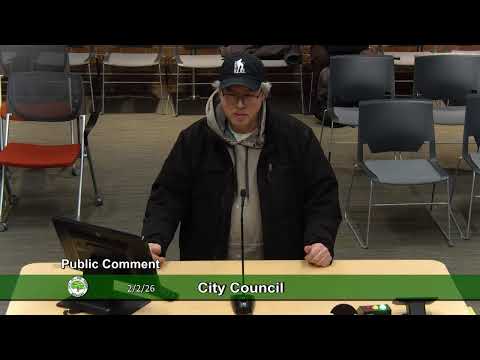
Public testimony and council debate: dozens of residents and advocacy groups, including MIRA, urged passage. Several council members stressed legal limits on municipal authority and emphasized they would pursue only measures that are lawful and enforceable; the city attorney advised residents they have a First Amendment right to record law enforcement, with the caveats not to interfere with operations.
Next steps: the city attorney’s office will return with draft ordinance language and staff will outline operational steps to provide signage and training where appropriate.