Get Full Government Meeting Transcripts, Videos, & Alerts Forever!
Get email alerts on the Public Comment Policy topic
No spam. Unsubscribe anytime.
Parents urge hybrid public comment and present a parent‑led engagement plan to board
Summary
Multiple parents asked the board to add a virtual option for public comment to increase participation, citing national data and a Feb. 28 community meeting; the Parent Action Coalition presented a research‑based proposal for structured family engagement and shared materials for later review.
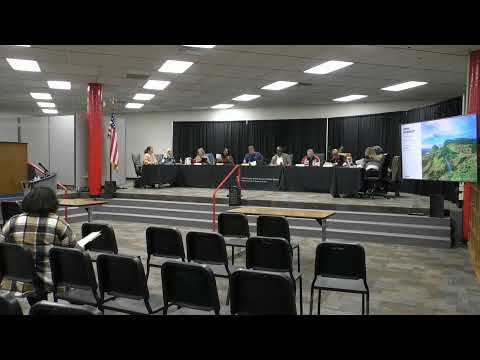
At the public‑comment portion of the February 2026 Jacksonville North Pulaski School District board meeting, several parents urged changes to how the district receives input from families.
One commenter said livestreaming currently limits public comment to in‑person speakers and argued that adding a virtual option would expand access for single‑parent households, parents working evening shifts, caregivers with mobility challenges and those living outside city limits. The speaker cited national statistics (U.S. Census Bureau, Bureau of Labor Statistics, CDC) about one‑parent households, nonstandard work schedules and disability prevalence and quoted a 2023 National School Boards Association survey claiming districts that allow virtual public comment see a 40–60% increase in parent participation.
Camille, speaking for the JFPS Parent Action Coalition, said the group emailed a parent‑led initiative to board members and briefly described a solutions‑focused model to improve communication, transparency and collaboration between families and district staff. Camille said the coalition’s materials are research‑based and invited board members and other parents to a community outreach meeting on Feb. 28 at 3 p.m. at Landmark Baptist Church.
Speakers requested the board consider placing hybrid public comment on a future agenda and asked staff to estimate costs; the parent speaker said the estimated annual cost could be about $1,600 but that many districts use low- or no‑cost solutions.
The board did not take immediate action during the meeting but received the materials and the invitation; staff and board members indicated review of the submitted documents would follow in future discussions.
The public‑comment exchange shows active parent organizing on access and process reforms; the board record shows the matter has been submitted for later consideration rather than decided on the spot.