
Banks urge caution on H.385; AARP and survivors press for protections
Get AI-powered insights, summaries, and transcripts
Subscribe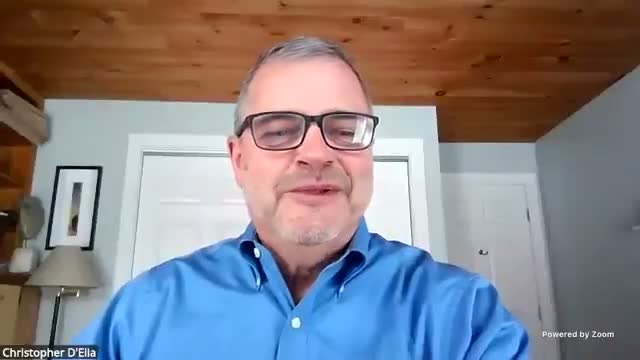
Summary
Banking groups warned the committee H.385 shifts investigatory burden to lenders and could create fraud and underwriting risks; AARP and survivors urged stronger access and nonjudgment exclusions, with survivor testimony describing over $20,000 in coerced debt.
Stakeholders told the House Commerce & Economic Development committee that while they broadly support protections for victims of coerced debt, the revised H.385 draft raises practical and procedural questions.
Chris Delia, president of the Vermont Bankers Association, said bankers are "horrified" by accounts of coercion and want effective protections, but he urged the committee to proceed cautiously. "It does shift the burden of analysis to the financial institution with only the data provided by the debtor," Delia said, adding that limited review time and incomplete information could expose banks to fraud and "unknown losses" that would affect underwriting and pricing.
Delia thanked the committee for excluding mortgages and for clarifying commercial-loan treatment, and he said his members would provide detailed, line-by-line comments to legislative counsel.
Colin Hilliard, advocacy director for AARP Vermont, said financial exploitation is the most common form of elder abuse and that AARP supports the bill's direction but remains concerned about language that could let creditors decide whether debt was coerced and about exemptions that bar relief for debts already wrapped into final judgments. "This bill wouldn't apply to them" in some cases where default judgments have already been entered, he warned, citing examples involving diminished capacity or expedited divorces used to obtain safety.
A survivor who testified described ongoing financial harms and said H.385 would give people a pathway to rebuild. She said her partner forced her into more than $20,000 of debt, took a van she needed to transport her children and left her living in a 500-square-foot home with long-term credit damage.
Legislative counsel and the Attorney General's Office invited continued input. Maria Royal said banks and agencies should continue to refine language on documentation standards and timelines; Assistant Attorney General Christopher Curtis said the confidentiality and rulemaking language in the draft addresses two of the AG office's main concerns.
The committee did not resolve outstanding implementation questions, including whether the statute of limitations should be tolled while a claim is under review. Committee members asked stakeholders to submit edits and data for the next drafting round.