
Board debates snow days and virtual instruction after largest snowfall in 16 years
Get AI-powered insights, summaries, and transcripts
Subscribe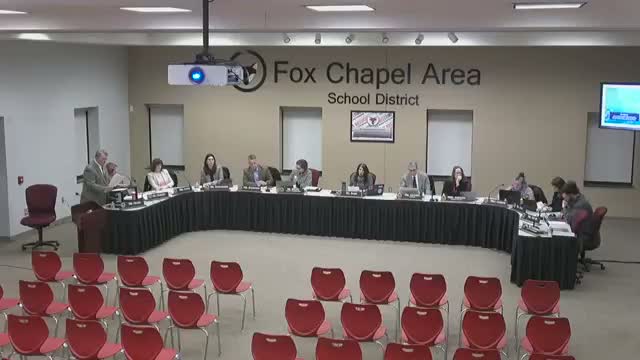
Summary
Board members pressed the superintendent for options after widespread storm disruptions: keep virtual instruction, build in snow days, start the year earlier, or use spring-break makeup days. Staff flagged state reporting rules, AP and Keystone testing windows, bargaining implications and unequal impacts across elementary and secondary students.
Board members spent considerable time examining the district's 2026'1 calendar after a historic storm that prompted virtual instruction and disrupted bus routes.
Several board members said families expected more traditional snow days after repeated weather interruptions. The superintendent explained the tradeoffs: the district must meet state instructional-day or instructional-hour requirements (the superintendent noted that the district typically runs a 182-day calendar while the state minimum is 180 days or equivalent hours); younger grades and older grades face different instructional constraints; AP and Keystone testing schedules and block scheduling at the high school complicate moving days without impacting external test dates.
Staff described options the district can use to regain lost time, including tacking days onto the end of the year (the draft calendar lists June 4 as the last student day unless makeup days are required), using spring-break days, converting a professional development day to an instructional day, applying for flexible instruction-day status with the state on a future-year basis, or differentiating modes across grade bands (synchronous secondary instruction and packets or adjusted expectations for elementary students). The superintendent cautioned that differentiated modes carry equity and contract implications and recommended engaging educators and bargaining groups before any structural change.
Board members recommended surveying families about their preferences (spring break vs. makeup days vs. virtual) and said turnout on the survey can be low; some members emphasized the disproportionate burden on parents of younger children and the tight timelines for high-school semester and AP work. The superintendent said the district will pull attendance and engagement data from the recent virtual days and return more granular reports to the board.
Next steps: the board will consider the calendar for formal action next week but may revisit the policy and operational approach after additional data, bargaining-group consultation and community feedback.