
Williamson County committees ask state to review annexation rules, cite school and infrastructure strain
Get AI-powered insights, summaries, and transcripts
Subscribe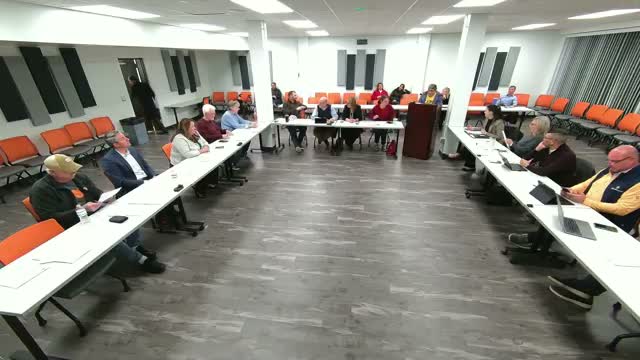
Summary
On Feb. 4, 2026, Williamson County joint committees approved a resolution asking the county’s legislative delegation to review Tennessee annexation and growth-plan statutes, seeking financial-impact statements before annexations, limits on non-contiguous annexations and more notice for residents inside the urban growth boundary.
On Feb. 4, 2026, joint committees of the Williamson County Board of Commissioners approved a resolution asking the county’s legislative delegation to review and amend Tennessee’s annexation and growth-plan statutes to give the county greater visibility and, in some cases, oversight of municipal annexations.
Janet Curtis, a Franklin resident who opened public comment, urged commissioners to pass Resolution 2 26 20, saying it would require cities to provide financial-impact statements before and at the time of annexation, discourage non-contiguous annexations and give county residents a clearer ability to opt out of the county’s urban growth boundary. "We as county residents are burdened with the taxes to afford the expansion of the municipal boundaries," Curtis said, citing district enrollment of 41,374 and multiple schools operating near or above capacity.
Christy, a county staff member who helped re-draft the text, told the committees the resolution was developed after committee feedback identified factual errors in an earlier sample resolution circulating among counties. She said the revised draft focuses on annexation and the statutory "plan of services" that cities must prepare for annexed areas; the resolution asks that the county legislative body be permitted to review and, when county infrastructure would be impacted, approve plans of service prior to final annexation.
Supporters said the change would increase transparency and allow the county to assess whether an annexation will impose fiscal burdens on county services such as schools, roads and emergency response. Opponents and some members cautioned that giving counties veto-like authority over municipal annexations could provoke political pushback at the state level. Several commissioners suggested the county’s existing interlocal agreements and a quarterly mayors' roundtable are useful tools for coordination and that those local processes might be a more politically viable path in some cases.
A commissioner noted a bill filed in the legislature (referred to in committee as FB231Line) that, as introduced, would require municipalities to obtain county approval for proposed annexations and to submit annexation-related reports to the county legislative body.
The committees recorded their votes: the tax-study committee registered five votes in favor; the property committee recorded a majority in favor with one opposed. The resolution will be presented to the county’s legislative delegation for consideration at upcoming hearings and meetings.
The committees did not create a binding local change to annexation law; instead, they sent a formal request to the county’s delegation to consider statutory amendments at the state level. The measure’s next procedural step is consideration by the county’s delegation and, if pursued, introduction as or incorporation into state legislation.