
Debate over juvenile justice overhaul lays out costs, capacity and public‑safety tradeoffs
Get AI-powered insights, summaries, and transcripts
Subscribe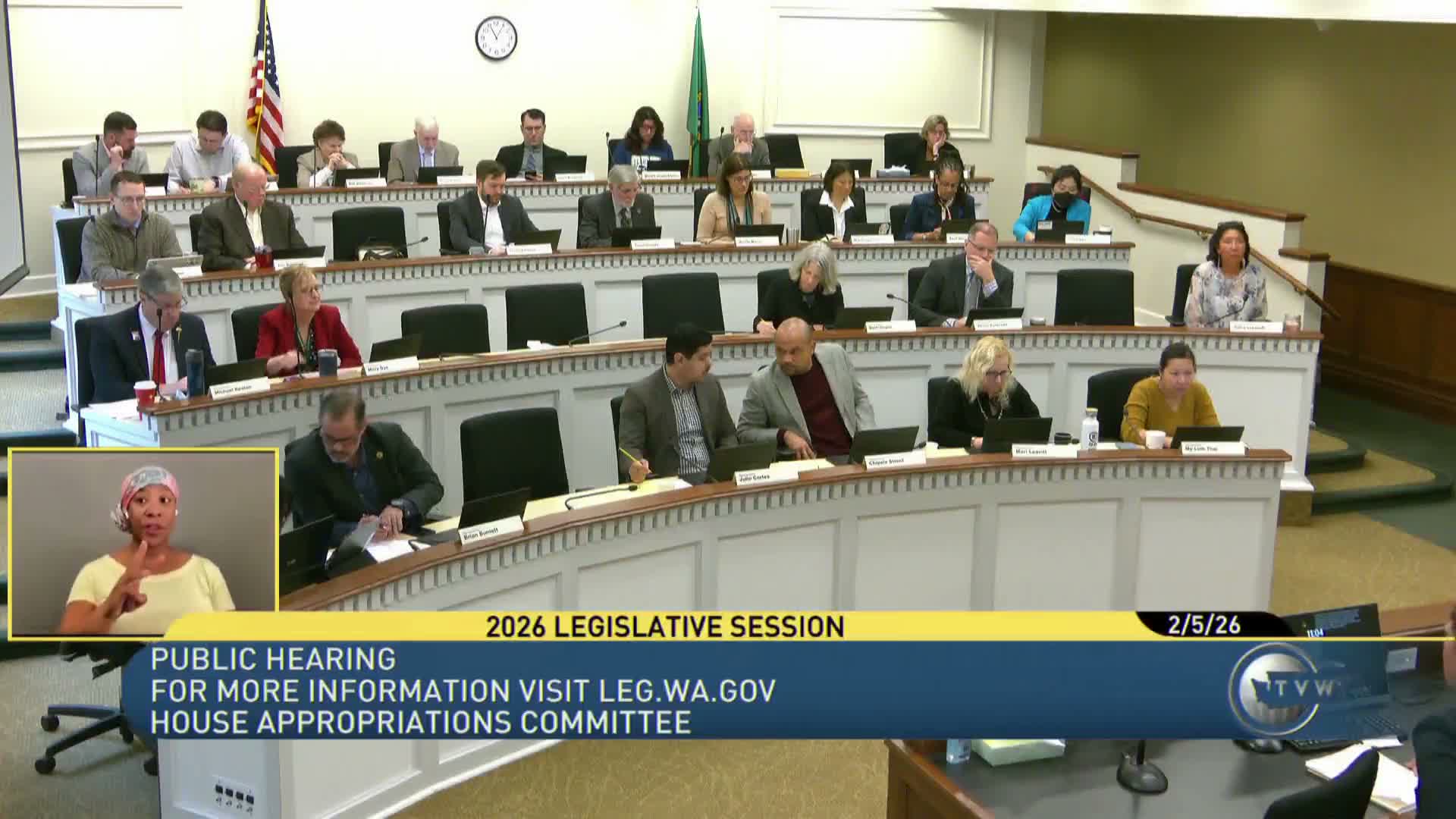
Summary
Committee staff briefed on HB 23‑89, a package of juvenile justice changes that expands community disposition options, creates midpoint reviews, and adjusts eligibility and capacity rules for juvenile rehabilitation facilities; the hearing drew strong testimony both for reform and against, with county officials warning of unfunded local costs and victim advocates urging continued confinement for some violent offenses.
Committee staff summarized substitute HB 23‑89 as a multi‑part juvenile justice reform that expands eligibility for two suspended disposition alternatives, requires courts to grant those alternatives unless they make a preponderance‑of‑evidence finding otherwise, creates a midpoint review for certain long commitments, and requires DCYF to develop rules about rated bed capacity and monitoring. Staff said the bill reduces certain standard ranges for robbery dispositions and allows transfers to adult correction facilities in narrowly defined circumstances when safety is at risk.
Representative Cortez, an early proponent, told the committee the bill takes a "balanced evidence based approach to juvenile justice, one that keeps our community safe while improving outcomes for youth" and that the proposal prioritizes community rehabilitation while preserving confinement for cases that "truly require public safety." She yielded to subject matter experts for technical questions.
Public testimony was sharply divided. Russell Brown, executive director of the Washington Association of Prosecuting Attorneys, said his members oppose the bill because it "increases barriers to place individuals who've committed violent crimes in your communities and keep them from going to JR where they could receive rehabilitative services," and warned it would add litigation and court burdens. County officials and associations likewise argued the bill shifts costs and operational burdens to counties without commensurate funding. The Association of Sheriffs and Police Chiefs and several mayors testified in opposition on public‑safety grounds.
Conversely, juvenile justice advocates, public defenders, some judges and service providers urged passage. Representatives from TeamChild, Stanford Children, and the Washington Association of Juvenile Court Administrators urged amendments that preserve judicial discretion while addressing capacity and procedural concerns. Several advocates highlighted reductions in juvenile arrests in recent years and argued community‑based services produce better outcomes.
Staff fiscal estimates include agency implementation costs for DCYF (example: $417,000 in the current biennium and $792,000 each biennium thereafter and 3 FTEs) and an indeterminate number of mid‑sentence reviews. Testimony flagged practical concerns about court congestion, victim advocacy workloads, and county fiscal capacity to supervise returning youth.
The committee did not vote; members asked staff and stakeholders to continue negotiations on funding and technical amendments before a future vote.