
Committee advances bill to link flood coverage to wildfire damage after extensive debate over premiums
Get AI-powered insights, summaries, and transcripts
Sign Up Free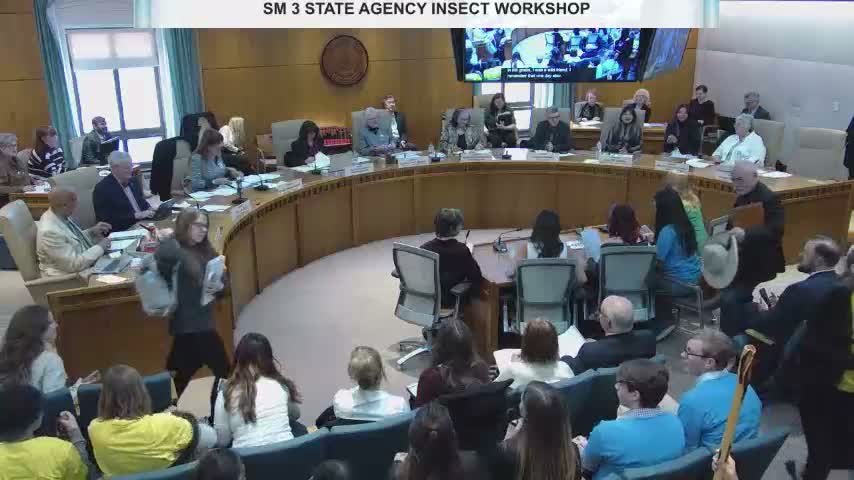
Summary
The Senate Conservation Committee advanced Senate Bill 154, which would require or offer flood coverage for flood losses that are directly attributable to a prior wildfire burn scar; supporters cited Ruidoso’s losses while insurers warned of higher premiums and market contraction.
The Senate Conservation Committee voted to advance Senate Bill 154 after lengthy testimony from homeowners, local officials and insurance industry representatives about gaps in coverage for flash floods that follow wildfires.
Sponsor testimony and Office of the Superintendent of Insurance (OSI) witnesses framed the measure as targeted relief for homeowners in burn-scar areas. OSI staff described how wildfires can create hydrophobic soil and that FEMA guidance indicates elevated post-fire flood risk for about five years; witnesses noted that the National Flood Insurance Program (NFIP) dwelling cap (commonly cited in testimony as $250,000) and NFIP enrollment delays can leave affected homeowners exposed.
Local officials and survivors, including the mayor of Ruidoso and residents who lost homes in recent events, urged the committee to create clearer insurance options. “We have so many different folks that are unable to get insurance,” said Link Crawford, mayor of the village of Ruidoso, describing local market disruption.
Insurance carriers and agents—State Farm, Farmers and individual agents—testified in opposition, warning that mandating post-wildfire flood coverage could raise premiums, tighten underwriting, or drive carriers from the state. A State Farm representative said a hypothetical statewide mandate could increase homeowners-policy premiums; other testimony described larger premium effects in high-risk wildfire counties and argued the legislation could create uncapped exposure if the five-year tail is required of carriers regardless of when policies change hands.
Sponsor and OSI officials outlined options to mitigate those concerns: the coverage could be offered as an optional endorsement (rider) or as a statewide mandate, and insurers would file actuarially justified rates. OSI said it would seek community input on whether an optional rider or mandated coverage is preferred and pointed to residual-market options (the fair plan) and rate review mechanisms as guardrails.
After questions about policy cancellation, who bears the long "tail" risk, and how any assessment or spread of cost would work, the committee took a roll call and announced the measure will advance with a committee recommendation to the full Senate.
Next steps: OSI and the sponsor said they will pursue community engagement and clarify rulemaking language or statutory language on whether the coverage is optional or mandatory, and how rate-setting and renewal/cancellation mechanics will be handled.