Sampson County adopts resolution opposing Fuquay Varina's proposed interbasin water transfer
Loading...
Summary
Sampson County commissioners voted Feb. 2 to oppose Fuquay Varina's petition to transfer more than 6 million gallons per day from the Cape Fear River Basin to the Neuse Basin, citing risks to local agriculture, water quality and increased treatment costs.
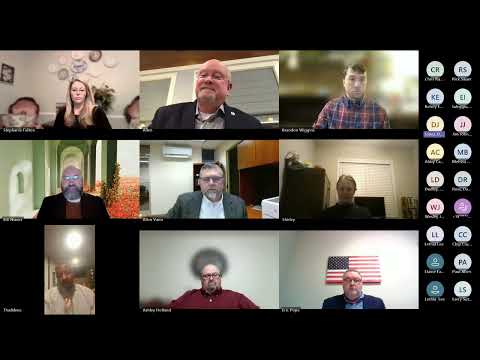
Sampson County commissioners on Feb. 2 adopted a resolution formally opposing Fuquay Varina's petition to transfer over 6,000,000 gallons per day from the Cape Fear River Basin to the Neuse Basin. Brandon Wiggins, Sampson CountySpecial Projects Manager, told the board staff concluded the petitioner's preferred 100% consumptive model would create a permanent net loss to the source basin and pose risks during drought-level flows.
Wiggins said the county evaluated the transfer using a 7Q10 drought standard and warned that reduced flows would concentrate regulated contaminants, including nitrogen and PFAS, increasing treatment burdens. "A permanent reduction in source water volume increases the concentration of these substances for all downstream intakes including Sampson County," he said. Wiggins told commissioners staff estimated about $242,000,000 would be required to build return-flow infrastructure that would internalize the transfer's impacts.
The resolution directs the county to oppose the petitioner's preferred alternative and to advocate for basin-neutral solutions that return treated flows to the Cape Fear. Commissioners discussed regional stakeholders' concerns and letters of support for Sampson County's position from local economic and agricultural organizations and downstream jurisdictions. Commissioner (speaker 6) moved to adopt the resolution; the motion was seconded and approved by raised hands.
The board also voted to adopt staff's position paper as the county's official response and to post it on the county website. County staff noted the state public-comment period through the North Carolina Department of Environmental Quality (DEQ) remains open and that the county will submit its materials to the DEQ comment record.
Next steps: the county will publish its position paper online and provide the DEQ with the county's formal comments during the state review process.