City seeks up to $300M from county for proposed Peninsula "battery" flood-protection project; council seeks clarity
Loading...
Summary
City officials described the proposed Battery extension as a phased, Army Corps-partnered flood-protection and public-access project with an estimated total cost of roughly $1.3 billion and a requested county cap of $300 million for the local match; council members voiced concerns and asked for more detail on scope and phasing.
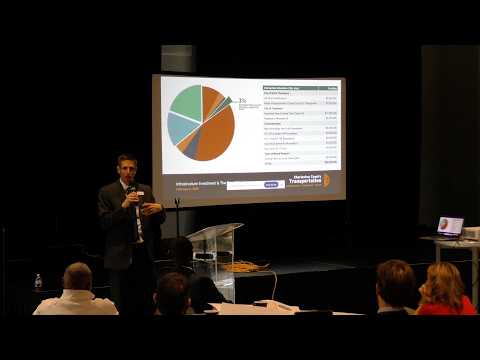
City of Charleston officials used the Feb. 4 forum to outline the "battery extension," a multi-phase waterfront project designed to provide surge protection, improve stormwater management and expand public access along the peninsula.
City presenters said the Army Corps of Engineers would cover about 65% of the project cost, and provided figures in the meeting materials and remarks that the total cost is roughly $1.3 billion, with the federal share near $900 million and an aggregate local need of about $477 million. The city asked the county to consider a $300 million cap as its contribution to the local match; other local funds cited included city contributions, ATAX and private-developer commitments.
City officials emphasized the project would be phased and that not all elements would rely on the half-cent sales tax; they said the county portion was intended as a capped local match to unlock federal funding and private contributions. The presenters also described public access, stormwater improvements and neighborhood protections as project components.
Council response: Members expressed caution about committing large sums without clarified scope and phasing. One council member said they could not commit to the full $300 million cap immediately and asked staff to break out which portions of the project would require county TST funding versus other local or developer sources.
Why it matters: The battery extension would affect downtown flood resilience, access to waterfronts and major cultural and economic sites. Committing county dollars would be a major fiscal decision for the TST package and would reduce funds available for other countywide projects.
Transcript note: Some numeric and name transcriptions in the meeting record are inconsistent. The city’s presented figures and the county slides should be treated as staff-provided estimates that will be refined in subsequent briefings and the public-comment period.
What’s next: Council asked staff for more detail on project scope, phasing, and financing before making a county-level funding commitment; staff will include this detail as the TST draft advances to the next meeting and the public-comment period.