Charleston County staff recommends draft Transportation Sales Tax package; council agrees to advance for more review
Loading...
Summary
Staff presented a draft Transportation Sales Tax (TST) program that prioritizes pavement preservation, $1.6 billion in "feature" projects, bike/ped and intersection work, and a recommended 20% allocation for Greenbelt; council voted to send the draft to the next meeting for additional review and public comment.
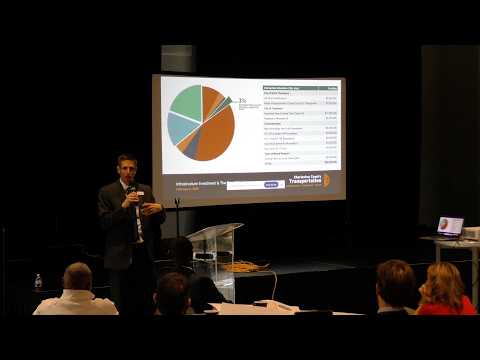
Charleston County staff on Feb. 4 unveiled a draft Transportation Sales Tax (TST) package that bundles long-term pavement preservation, bike-and-ped investments, intersection fixes and $1.6 billion in so-called feature projects and asked county council to send the plan forward for further review and public comment.
The presentation laid out a funding framework and a 25-year cash-flow model intended to balance carryover needs, debt service and new construction. Staff said they trimmed projected carryover needs and inserted a new debt-service line after reviewing prior allocations, and they recommended a continuing programming emphasis on pavement management, resiliency measures and projects that score highly on municipal and public support, congestion relief and safety.
Why it matters: The draft is the county’s starting point for a ballot measure that would authorize an additional sales tax to fund multimodal transportation and conservation priorities. Staff emphasized that the package is not final and that the council and public will have time to refine allocations before any referendum.
Key details from staff and municipal presentations included: a proposed funding slice for pavement and resiliency, an intersection-acceleration program for early wins, and an emphasis on leveraging federal and other outside grants. Staff also proposed a Greenbelt allocation (covered in a separate recommendation) and identified municipal feature projects such as Rivers Avenue overpass and Mall Drive improvements in North Charleston; 17 South widening and other corridor work in the city of Charleston; and Johnny Dodds/Northcutt work in Mount Pleasant.
City and municipal leaders framed the draft as a regionwide, collaborative effort. Mayor Reggie Burgess of North Charleston told the council that "when our infrastructure works, the whole county moves," arguing that investments in overpasses, pedestrian safety and ITS are critical for communities that bear heavy freight and rail impacts.
Staff asked council to bring the draft to the next council meeting for deeper review and a 30-day public comment period. A council member moved to send the draft to the following council meeting and that motion carried on a voice vote after discussion of allocation percentages and timing. Staff said the public will have formal opportunities to comment and that the council will consider revisions before any first reading expected in May.
What’s next: The council agreed to continue the discussion at the next finance and full-council meetings and to accept public input during a 30-day comment period. Staff said more detailed cost breakdowns, refined schedules and permitting dependencies will be provided as the program moves toward a possible referendum.
Sources: Presentations and staff remarks at the Feb. 4 Charleston County Transportation Sales Tax briefing; municipal mayoral presentations; consultant project-evaluation overview.