Get Full Government Meeting Transcripts, Videos, & Alerts Forever!
Get email alerts on the Wetlands Permits topic
No spam. Unsubscribe anytime.
Torrington wetlands commission accepts 1118 Highland two‑lot subdivision as not significant
Summary
The Torrington Inland Wetlands Commission on Feb. 3 accepted wetlands permit application WP26-2 (1118 Highland Ave, applicant Patrick McElhone) as not a significant activity and imposed a condition requiring wetland signage; no public hearing was required.
The Torrington Inland Wetlands Commission accepted a two‑lot residential subdivision application at 1118 Highland Avenue and determined the project was not a significant wetlands activity, eliminating the need for a public hearing.
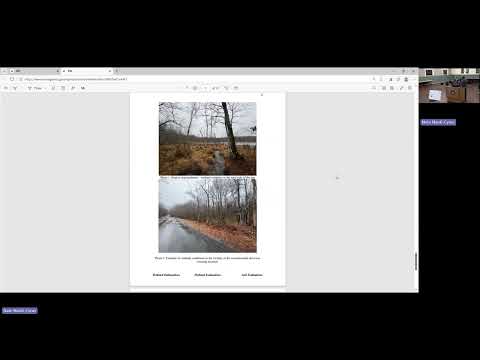
Staff told the commission the only mapped wetland on the property is an old, man‑made drainage ditch flagged in the submitted wetlands report and that the proposed lot layout would have no direct wetland‑to‑wetland impacts. The commission’s motion to accept the application (WP26‑2) included a condition that “the mapped water courses shall be posted with appropriate wetland signage” as part of approval.
Commissioners moved and seconded the application acceptance and recorded the motion as carried. During the vote the record shows Commissioner Christine Altman voted “Aye,” Commissioner Michael Marzullo voted “Aye,” Commissioner Jeremy deCarly voted “Yes,” and Commissioner Steven Ivan voted “Yes.” Adrian did not participate in the vote on this item.
Because the commission found the work not to be a significant activity, no public hearing will be scheduled for WP26‑2. Staff said the applicant may need a standard wetlands permit and will be required to meet the stated condition for signage and any typical permit erosion‑control requirements.
Next steps: staff will file the action and notify the applicant, and any permit documentation will reflect the signage condition and the commission’s determination that the activity is not significant.