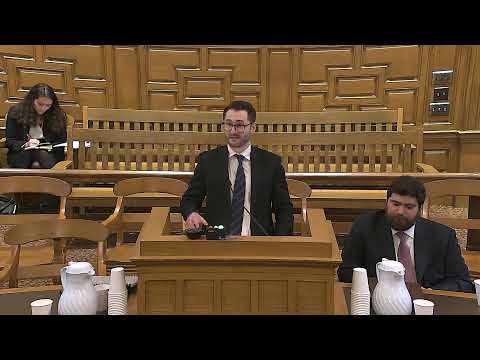
Appeals court hears challenge to termination of parental rights in case involving infant skull fractures
Loading...
Summary
In DCF v. Mother (25P845) appellant counsel argued the trial court erred by terminating parental rights based primarily on the mother's inability to explain infant skull fractures; DCF and the court cited expert testimony that injuries were consistent with abuse absent an explanatory history and pointed to bruising on multiple planes and service noncompliance.
Justice Peter Sachs presiding. The Appeals Court reviewed the Department of Children and Families’ termination of parental rights in a matter the parties described as complicated and fact-intensive. Nicole Paquin, representing the mother, argued the judge erred by relying on the mother’s failure to provide an explanation for skull fractures and by discrediting testimony about caretaking and alternative explanations; she urged the court to apply Iris and Yelena factors to find reversible error.
Paquin emphasized medical testimony that skull fractures can result from a single fall and that the injury window extended across multiple weekends when grandparents provided care. She told the panel that the judge’s credibility findings about the mother’s reporting and the refusal to allow her to consult a provider unduly prejudiced reunification prospects.
William Cuddle, for the Department of Children and Families, argued the termination relied on multiple findings beyond lack of explanation—including the mother’s limited insight into the severity of the injuries, incomplete engagement with services (including anger-management work) and contemporaneous medical findings of bruising and skull fractures that the court credited. The panel pressed experts’ testimony on premobile infants’ bruising patterns and the significance of multilayer bruising; one justice observed that premobile infants do not typically bruise and that multiplanar bruising is highly concerning for inflicted injury.
The justices questioned whether the record supports overturning findings of fact and whether the constellation of injuries and parental responses justified termination under clear-and-convincing-evidence standards. No ruling was announced from argument.