
Appeals panel hears challenge to probation-violation process and counsel’s conduct in Commonwealth v. Tavares
Get AI-powered insights, summaries, and transcripts
Subscribe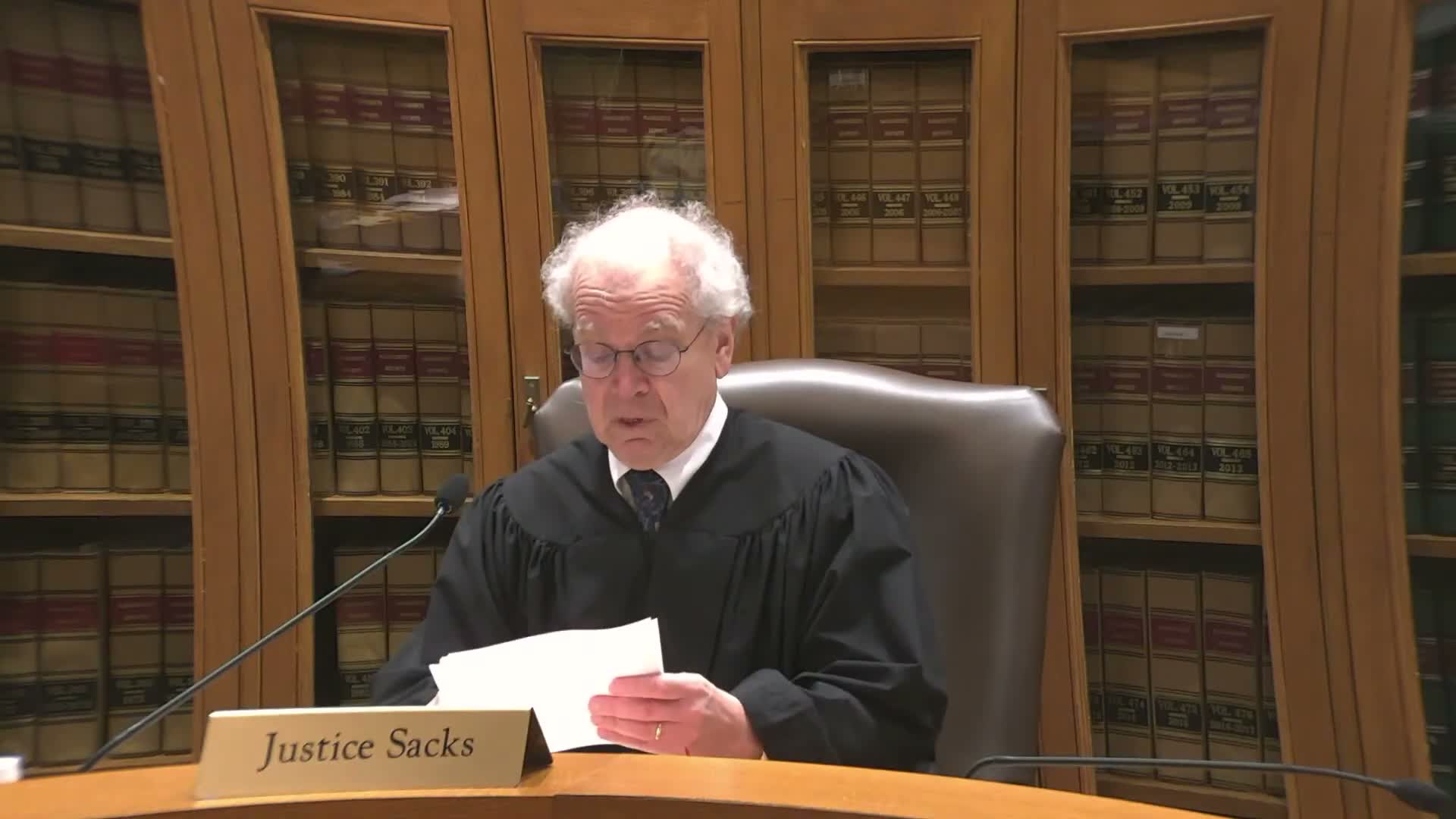
Summary
In 25P454, defense counsel argued the Commonwealth relied on unstated evidence and poorly labeled videos from a different store, denying Scott Tavares adequate notice; the panel pressed whether defense’s cross-examination opened the door to that evidence and whether relief remains meaningful after the sentence was served.
Justice Peter Sachs presiding. The Appeals Court heard argument in Commonwealth v. Scott Tavares (25P454) over whether a probationer received constitutionally adequate notice of the evidence used at a violation hearing and whether defense counsel’s actions amounted to ineffective assistance. “This is a simple due process case,” defense attorney Keith Kaminski told the panel, saying the Commonwealth presented layered hearsay and videos from Stoughton that were not listed on the violation notice and that defense counsel lacked time to prepare.
The defendant argued the additional Stoughton videos introduced a different incident than the Taunton incident on the notice and that the judge’s late decision to admit them produced a trial-by-ambush. Kaminski said metadata and labeling differences made it hard to identify which footage related to Taunton versus Stoughton and that counsel’s cross-examination supplied a roadmap that allowed the judge to find a violation despite weak direct evidence.
Justice Christopher Hodgins and other justices questioned whether counsel’s decision to cross-examine the detective could reasonably be viewed as tactical given what counsel had actually seen that morning and whether that choice was objectively unreasonable under the standard for ineffective-assistance review. “It’s really hard to establish ineffective assistance on appeal without affidavits and a hearing,” one justice said, noting the high bar on review and the need to evaluate counsel’s perspective at the time of the hearing.
The court also probed whether the appeal is moot because Tavares has served the sentence imposed after the violation, citing Commonwealth v. Pena (SJC 2012) and related precedent. Defense counsel replied that the case presents a live constitutional question about notice and the procedures used in probation hearings and that vacating the violation finding would improve the defendant’s record and employment prospects.
The Commonwealth responded that, judged from counsel’s vantage at the time, the cross-examination was a rational attempt to elicit helpful information and that a motion for a new trial or a motion to vacate would have been the proper vehicle for some challenges. The panel repeatedly returned to whether defense had meaningful opportunity to prepare and whether the judge’s discretionary evidentiary rulings created prejudice warranting relief.
The justices did not announce a decision at argument. The court paused to take additional cases after this argument.