Get AI Briefings, Transcripts & Alerts on Local & National Government Meetings — Forever.
Subcommittee advances update to Virginia Voting Rights Act with lower language thresholds and expanded standing
Loading...
Summary
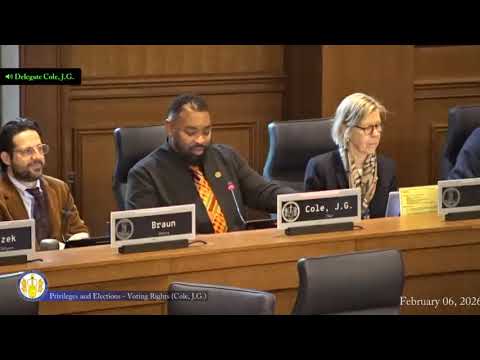
House bill 9 67 would update the Virginia Voting Rights Act by embedding federal standards, lowering language‑assistance thresholds (from 5%/10,000 to 3%/5,000) and expanding who may bring suit on behalf of affected voters; supporters said it strengthens protections, opponents warned of local translation burdens. The subcommittee reported the bill 6–2.
A presenter summarized house bill 9 67 as an update to the 2021 Virginia Voting Rights Act intended to make the state law durable and to expand protections. The presenter said the bill inserts language previously found in federal law, lowers the threshold triggering minority language assistance from 5% (or 10,000 registered voters) to 3% (or 5,000 registered voters), preserves a preclearance‑like public notice process for certain election changes, and expands legal standing so organizations may sue on behalf of affected individuals.
Tram Nguyen (New Virginia Majority), Jane Newell (League of Women Voters of Virginia), and John Powers (Advancement Project) testified in support, arguing the measure strengthens legal standards against vote dilution and expands protections for language minorities. John Powers said the bill “strengthens legal standards for evaluating voter suppression and vote dilution claims and expands who may bring a Virginia VRA lawsuit.”
Claire Bell Wheeler testified in opposition, saying the lower threshold would require localities to produce more non‑English election materials and impose significant costs on local election offices. After public testimony the subcommittee voted to report the bill by a recorded vote of 6 to 2.