Get Full Government Meeting Transcripts, Videos, & Alerts Forever!
Get email alerts on the Home Sharing topic
No spam. Unsubscribe anytime.
OKC Board of Adjustment approves several home‑sharing exceptions with guest, parking and quiet‑hour conditions; several items deferred
Summary
The Board approved multiple home‑sharing special exceptions Oct. 16 with conditions — guest limits, quiet hours and parking restrictions — and deferred several applications while staff verifies whether listings took bookings after the board previously told applicants to stop listing properties.
The City of Oklahoma City Board of Adjustment on Oct. 16 approved several home‑sharing special exceptions and imposed standard conditions including guest limits, quiet hours and parking restrictions, while deferring other applications pending staff verification of booking records.
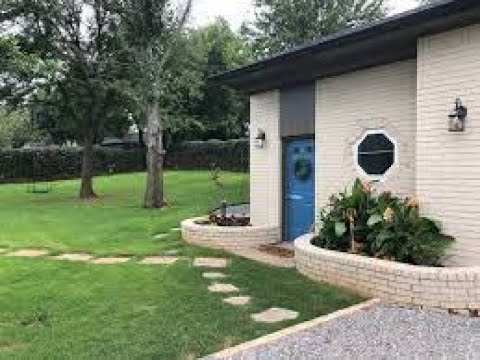
The board approved case 16068 (9 West Ranchwood Drive) with conditions limiting guests to eight, imposing quiet hours from 9 p.m. to 8 a.m., banning on‑street parking during quiet hours, capping vehicles at five and granting a one‑year special exception. Jeremy Howe, speaking for Joseph Fazon, described the property and said management would follow the board’s directives. A member moved to approve and the motion passed.
Similarly, the board approved case 16069 (1604 NW 29th Street, represented by Sarah Roth) with a maximum of nine guests, quiet hours 9 p.m.–8 a.m., two driveway parking spaces, no on‑street parking during quiet hours and a one‑year term. Case 16070 (5911 N Billen Ave, represented by Ben Bassey for Kelly Bassey) was approved with concessions the applicant offered after neighborhood feedback: a maximum of eight guests, a two‑night minimum stay, a maximum of four vehicles, no on‑street parking during quiet hours, required installation of noise monitors, minimum age 21 and a one‑year review period.
Beyond individual conditions, the board required that where third‑party management was promised, a signed property‑management agreement be provided and that licensing fees be paid in the 10‑day window so licenses may issue. For approved items the board emphasized the special exceptions are granted for a one‑year term and are subject to standard follow‑up and potential revocation if evidence later shows prohibited activity.
Several applications tied to EZ/BE/Easy Rentals were deferred after neighbors and staff raised questions about whether some properties showed bookings in staff’s Rentalscape reports after the board’s prior instruction not to accept bookings. Protester Brian Jones and others urged denial for listings that remained active; counsel for the applicants (James Teason) said the owners had engaged Growth Gurus, a third‑party manager, and represented that legacy calendar entries would be canceled and that Growth Gurus would maintain incident reports, neighbor communications and a documented compliance file. Staff (Sarah Welch and Cindy, planning) cautioned that the Rentalscape output can show blocked legacy dates and that further verification was needed. The board chose to continue several contested cases (for example, case 15941) to the Nov. 6, 2025 meeting for staff to verify booking histories and for applicants to supply documentation.
The board also handled routine business: minutes from the Oct. 2 meeting were received, case 16067 (a variance to accessory building regulations for Randy and Donna Clark at 2717 Palazzo Circle) was approved, and case 16060 (5101 E Wilshire Blvd) was continued for lack of applicant/quorum. The meeting adjourned after clarifying administrative next steps.
What’s next: deferred cases will return Nov. 6 with staff’s booking verification and executed management agreements where required. The board noted revocation remains an available remedy if evidence shows the special‑exception conditions (including the board’s prior instruction not to accept bookings) were ignored.