Get Full Government Meeting Transcripts, Videos, & Alerts Forever!
Get email alerts on the Tax Collection topic
No spam. Unsubscribe anytime.
Third‑party vendor pitches faster deposits, audit tools as county tax receipts lag
Summary
A vendor told commissioners Cleburne County’s reported remittances fell to about $3.1 million for Aug 2023–Jul 2024 from $3.4 million in 2022 and proposed two fee structures ($2.85/account or a $4.50 bundled rate with auditing) intended to increase net revenue and speed deposits.
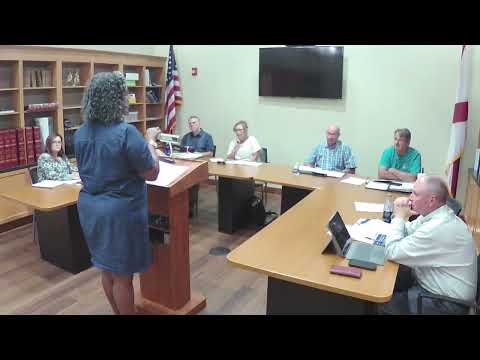
Speaker 3, an outside tax‑collection vendor, told Cleburne County commissioners the county’s total remittances for Aug. 2023–July 2024 were “about $3,100,000,” down from roughly $3,400,000 when the current commissioners left office. She said the county’s sales tax growth had been 19.68% in 2022 and presented a comparison showing lost revenue since then.
The vendor offered two fee options: $2.85 per account or a $4.50 bundled rate that would include auditing services. "Either way, you all will still have a savings," Speaker 3 said, adding that the company would also provide more frequent deposits — three to four times per week compared with the Department of Revenue’s once‑weekly deposits — and online reporting tools.
The presenter said the company collects for 46 of Alabama’s 67 counties and highlighted a recent uptick in a client county’s receipts, noting HEFLY’s sales tax was up by $300,000 year‑over‑year. She described an online delinquency report (30/60/90/120 days) and enforcement tools including liens and injunctions to recover past due accounts.
Commissioners asked about how the vendor would treat short‑term rentals and RV campsite bookings for lodging tax. Speaker 3 said rentals for fewer than 31 days should remit lodging tax and the company’s software can detect listings and notify the county when properties begin taking bookings again.
Commissioners did not take a vote at the session. They thanked the presenter and requested the commission staff follow up with the vendor and review the comparison materials provided in folders.
The commission said it will continue discussing whether to pursue third‑party collection, seek more detailed cost/benefit modeling, and confirm how distributions to other local entities (for example, boards of education) would be handled under a vendor arrangement.