Get Full Government Meeting Transcripts, Videos, & Alerts Forever!
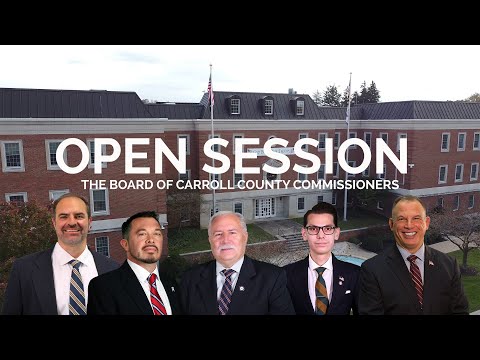
Carroll County commissioners review draft solar siting rules, direct staff to hold public hearing
Summary
Commissioners debated setbacks, height caps, screening, decommissioning and developer mitigation tied to a state "Mako" compromise bill; staff will revise the draft and the board moved to schedule a public hearing to solicit public comment.
Carroll County commissioners spent their meeting reviewing a draft set of solar siting and design requirements, debating setback distances, maximum panel heights, screening standards and decommissioning rules before directing staff to revise the text and schedule a public hearing.
The county’s planning director (identified in the transcript as Speaker 4) told commissioners that a state-level compromise being negotiated by a group described as “Mako,” state agencies and the solar industry accepts that the state can preempt where solar may be sited. Instead, the compromise would require solar developers proposing projects in identified priority preservation areas to contribute funds to local agricultural-preservation programs — staff summarized the contribution discussed in the transcript as roughly between $3,500 and $5,000 per acre (the exact phrasing in the transcript was ambiguous). Speaker 4 said the state position has shifted the debate from “where” solar can go to “how” jurisdictions can secure mitigations and design protections.
Why it matters: commissioners said the county may lack authority to prohibit solar where the state allows it, so local design standards (setbacks, screening, decommissioning) are being proposed now to protect visual corridors, farmland and neighbors until and unless state law changes. Staff emphasized that even if the state acts next spring, having local standards in place can be useful in the short term and can be amended later.
Major points discussed
-…
Already have an account? Log in
Subscribe to keep reading
Unlock the rest of this article — and every article on Citizen Portal.
- Unlimited articles
- AI-powered breakdowns of topics, speakers, decisions, and budgets
- Instant alerts when your location has a new meeting
- Follow topics and more locations
- 1,000 AI Insights / month, plus AI Chat