Get Full Government Meeting Transcripts, Videos, & Alerts Forever!
Get email alerts on the Elections And Ballot topic
No spam. Unsubscribe anytime.
Registrar urges clearer ballot language and defends elected offices in charter debate
Summary
The town registrar told the commission that many registrar duties are governed by state statute, argued for keeping the treasurer and town clerk elected, and recommended reverting the town-council ballot language from “vote for up to 6” to “vote for up to 4” to reduce voter confusion.
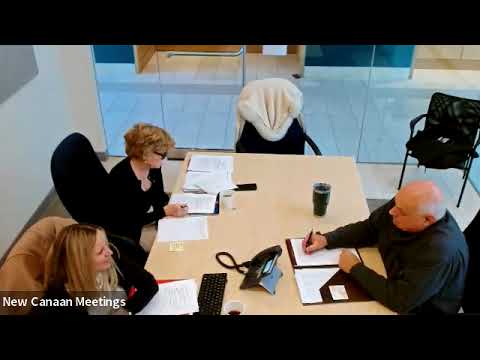
Judy Neville, who identified herself to the Charter Review Commission as the town registrar, reviewed charter language on voter registration and municipal election duties and urged clearer, more user-friendly ballot wording.
Neville told commissioners that many registrar duties are defined by Connecticut state statute and that the charter need not duplicate those statutory mandates. She explained the deputy appointment rule: a registrar-appointed deputy must live in town and be of the same party, and that deputies are paid hourly. “They’re paid $22 an hour,” Neville said when asked who sets pay for deputies.
On the structure of elected offices, Neville argued the town treasurer should remain an elected office. She said many Connecticut towns elect treasurers and that keeping the office elected preserves voter checks and balances. “I every 4 years, I vote for treasurer for the in the state of Connecticut… So my question is, like, why would you deny me as a voter of vote, by taking away and having the treasurer appointed?” Neville said.
A lengthy exchange focused on planning and zoning (P&Z) membership and whether those seats should be appointed rather than elected. Neville said she had changed her view and favored appointment in order to broaden the candidate pool and avoid costly primaries that can deter experienced applicants; other commissioners warned that appointment removes a direct voter choice and suggested voter education as an alternative.
The registrars and commissioners also debated the sample ballot wording used in municipal elections. Neville said the text “vote for up to 6” has repeatedly caused confusion among voters calling the office and that returning to the prior “vote for up to 4” language could reduce calls and election-day confusion. “I believe that we should go back to 4, because it’s very confusing for people,” Neville said; other commissioners countered that education about the ballot could address confusion without reducing voters’ choices.
Commissioners did not vote on changes to ballot language or on the elective versus appointive status of offices; they asked staff to bring draft options and said they would consult state statutory requirements before recommending charter edits.