Get Full Government Meeting Transcripts, Videos, & Alerts Forever!
Get email alerts on the Appeals Sentencing topic
No spam. Unsubscribe anytime.
Tennessee appellate panel hears challenge to six-year sentence, defense seeks remand over probation finding
Summary
In oral argument, defense counsel for Louis Frasier told an appellate panel the Giles County trial court misapplied the law and failed to consider the statutory presumption favoring probation for Range I class C felons; the state urged the court to affirm, and judges questioned whether confusion in the record requires remand or a de novo review.
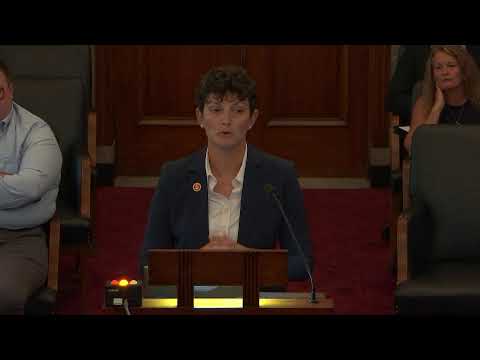
Brennan Wingerter, attorney for Louis Frasier, told a Tennessee appellate panel on Tuesday that the Giles County trial court imposed a six-year sentence without properly considering the statutory presumption that a Range I offender convicted of a class C felony is eligible for probation. "It is a required consideration," Wingerter said, arguing the trial court conflated probation eligibility with release eligibility and relied on speculative comments about parole and confinement location.
Wingerter described three errors in the sentencing: the trial court confused probation eligibility with release eligibility; it did not recognize or record the presumption favoring probation; and it relied on speculation about where Frasier would be confined and what parole might look like. He said the sentencing transcripts show the court misunderstood split confinement and the effect of a percent-to-serve calculation (the record identifies a 30% release-eligibility figure when confinement is ordered).
The state, represented by Garrett Ward, urged the panel to affirm. "This court should affirm," Ward said, arguing the trial court acted within its discretion on both length and manner of service and that the written sentencing order clarifies the court's reasoning. Ward acknowledged parts of the hearing were confusing but said the written order helps reconcile the bench statements.
Judges on the panel pressed both sides about the tension between the transcript and the later written order. One judge asked whether the written order should be given effect if it conflicts with bench statements; counsel agreed the transcript controls when there is a true inconsistency, but they disputed whether the record here reached that level of conflict. The panel also examined whether the record is developed enough for the court to perform a de novo review or whether the usual remedy—a remand with instructions to make specific findings—would be appropriate.
During the hearing the parties discussed the presentence psychosexual risk assessment and mitigation evidence. Wingerter told the court the aggregate report rated Frasier as a low risk of reoffending, while the panel noted the report contains multiple tools with mixed ratings (some moderate to moderate–high on particular measures). Defense counsel also pointed to mitigation in the record including advanced age, frail health, and prior surgeries; he urged the court on remand to consider placement and health-related factors even though the trial court lacks authority to direct TDOC placement.
The judges pressed the parties on factual gaps in the record: the plea was entered as a nolo contendere to attempted aggravated battery after a broader indictment, and the transcript and plea colloquy did not clearly identify the specific act or timing underlying the conviction. That ambiguity bears on whether enhancement factor 4 was properly applied and on whether the trial court's comments supported a custodial sentence.
Wingerter asked the court to reverse and remand for limited resentencing or, if the appellate court undertakes de novo review and finds probation appropriate, to modify the sentence. Ward asked the court to affirm. The panel thanked counsel and took the arguments; no decision was recorded in the transcript.
Next steps: the court will issue a written opinion deciding whether to remand for additional findings, perform de novo review, or affirm the Giles County sentencing order.