Get Full Government Meeting Transcripts, Videos, & Alerts Forever!
Get email alerts on the Competency To Plead topic
No spam. Unsubscribe anytime.
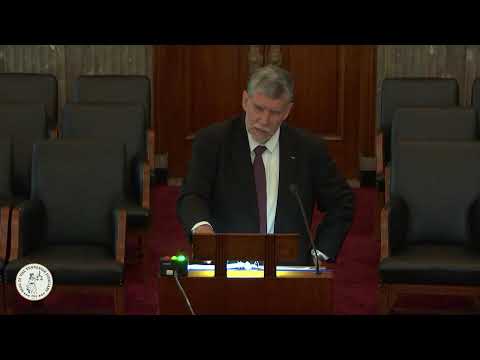
Appellate panel hears dispute over whether Rhonda K. Davis was competent when she pled guilty in 2017
Summary
In oral argument, petitioner’s counsel pointed to family observations and later forensic findings to argue Rhonda K. Davis was incompetent at her Nov. 7, 2017 plea; the state said the 2017 psychological exam was not a competency evaluation and the plea colloquy showed understanding.
A three-judge panel heard oral argument on whether Rhonda K. Davis was competent to enter a guilty plea on Nov. 7, 2017, with petitioner’s appellate counsel arguing that family testimony and later forensic evaluations show the trial court erred in crediting trial counsel’s account of the plea.
Appellate counsel told the court he has represented Davis since 2017 and said the record includes a June 30, 2017 evaluation by Dr. Raffelli and subsequent federal findings at FMC Carswell. Counsel summarized family observations that Davis ‘‘was once someone that was vibrant’’ but became withdrawn after a 2015 beating; he quoted a family member saying, ‘‘her eyes looked like they were bugging out,’’ and argued those reports and the forensic evidence should have prompted further inquiry before the plea.
The state, represented by prosecutor Lacey Wilbur, countered that the 2017 psychological report was not prepared as a competency evaluation. Wilbur told the panel, ‘‘was the petitioner competent to enter her guilty plea on 11/07/2017? And, yes, she was,’’ noting the federal evaluator who later found deficits could not opine about the petitioner’s mental state on the day of the plea. Wilbur also said the plea colloquy and trial counsel’s testimony indicated Davis understood the nature of the charges and was able to assist in her defense.
Judges pressed both sides on the legal standard for incompetency (whether a defendant understands the charges and can assist counsel) and on what a forensic order that directs transport for a psychological evaluation actually establishes; the bench observed that sending a defendant for testing does not, by itself, prove incompetency and that evaluators commonly do not visit jails. Counsel for Davis cited ABA standards and post-conviction and federal evaluators’ findings — including multiple assessments at FMC Carswell — to argue the trial court should not have credited trial counsel over corroborating family and expert evidence.
The parties also discussed who arranged and paid for the 2017 evaluation; the transcript records that a family member paid $600 for the report. The panel did not announce a ruling at the close of argument. The court concluded oral argument and adjourned the docket pending issuance of an opinion or further order.