
Residents decry teen‑clinic materials; health officer says Bedsider link removed and survey paused
Get AI-powered insights, summaries, and transcripts
Sign Up Free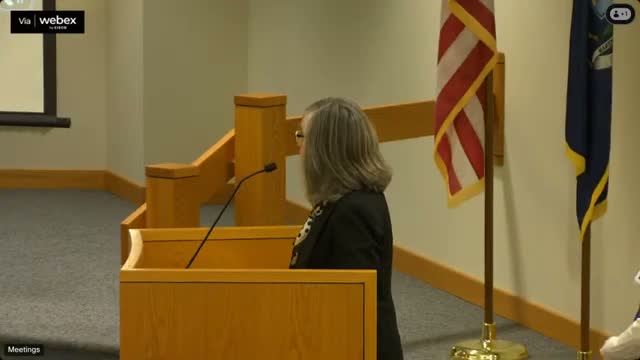
Summary
Dozens of residents urged St. Clair County commissioners to keep school‑based teen clinics open and to hold the health department accountable after a parent said clinic intake materials differed from questions later asked. Health officer Liz King said the Bedsider link was removed immediately, the Grama survey paused and staff are reviewing materials.
Dozens of residents told the St. Clair County Human Services Committee that school‑based teen health clinics are essential and must not be closed after citizens raised concerns about sexual‑health material and an electronic intake survey.
"I sincerely regret that you and your daughter had a negative experience at our clinic," said Liz King, the county administrative/health officer, addressing a parent who said paper intake questions she was shown before a visit did not match the questions later asked on an iPad. King said staff removed the Bedsider link from printed materials within hours of being notified and paused the Grama risk‑behavior survey while the department identifies clinically appropriate, age‑appropriate alternatives.
The public comment period, which opened with objections to a proposed Fort Gratiot solar project, quickly focused on the teen clinics and on comments by Medical Director Dr. Nevin about immunizations and program direction. Speakers including Carolyn Richards, Kathy Swantek and NAACP Port Huron branch President Kevin Watkins urged the board to retain the clinics as a critical access point for rural and vulnerable youth. "This clinic has been more than a medical site," Watkins said, calling it a refuge for students who rely on confidentiality and mental‑health support.
Others said materials and links found in brochures were inappropriate for minors. Several residents said they searched the Bedsider website and found content they described as explicit and unsuitable for school settings; county speakers responded that the specific brochure cards dated to 2016 and that staff had not recently reviewed the embedded website content. King said the department has reviewed contracts, the website and program requirements and notified MDHHS of the issue.
Commissioners and staff discussed the legal and operational constraints around adolescent confidentiality and parental notification. King said the teen clinic served 655 unduplicated students in 2025 and recorded 1,253 total visits; she also recommended a strategic planning process and closer engagement with the county advisory board to review materials and grant obligations.
Several speakers asked the county to remove Medical Director Dr. Remington Nevin from his post, alleging he has promoted vaccine hesitancy and policy changes inconsistent with established public‑health practice; other residents pushed back, accusing critics of politicizing the clinic. King and staff did not announce personnel actions; instead King presented corrective steps and described long‑term options, including possibly transitioning teen‑health services to an external provider if the board decides that is the appropriate direction.
The committee did not take a formal staffing vote at the meeting. King said Dr. Nevin has agreed to provide medical oversight during any transition period if needed. The board asked staff to provide additional documentation on program requirements, grant conditions and proposed policy changes during follow‑up work and strategic planning.