
PNNL scientist outlines lab tests to lock radioactive waste into glass
Get AI-powered insights, summaries, and transcripts
Subscribe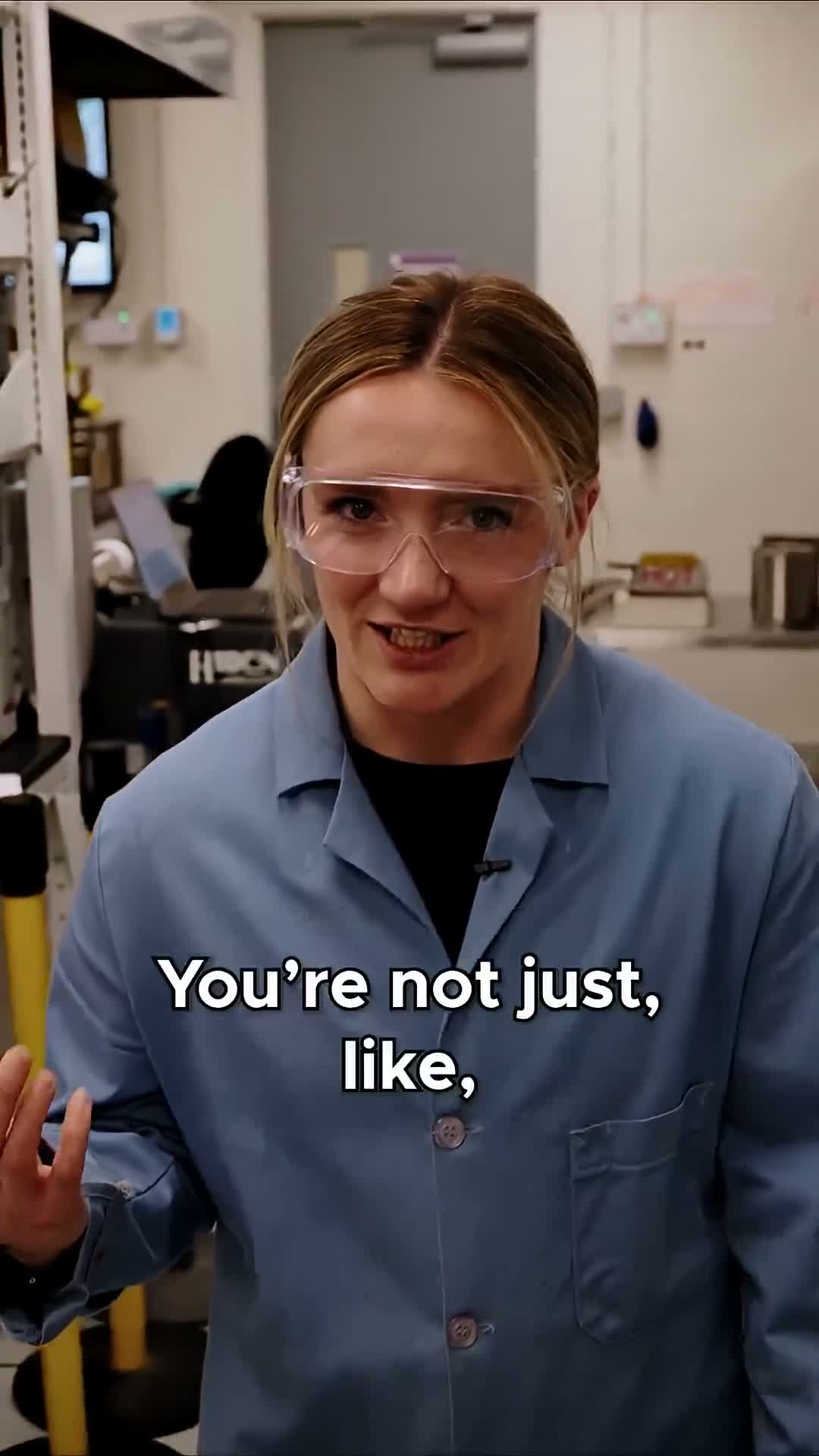
Summary
Jess Rigby of the Pacific Northwest National Laboratory described lab work that creates melter feed, glass and grout samples and tests their chemical durability to assess whether they can immobilize radionuclides for tens of thousands of years.
Jess Rigby, a materials scientist at the Pacific Northwest National Laboratory, described work in the lab that prepares and tests materials intended to immobilize radioactive contaminants.
"You're not just like encapsulating radionuclides," Rigby said. "The radionuclides are becoming the glass structure," she added, describing how the lab’s glass formulations incorporate radioactive elements rather than merely enclosing them. Rigby said researchers in the Waste Form Development Laboratory generate melter feed samples "to simulate what they will have out at the waste treatment plant."
Rigby said the team also produces glass and grout samples and conducts chemical-durability tests to evaluate long-term behavior. "And we'll test those for chemical durability and see how they are gonna behave in the long term, how they're gonna immobilize the radionuclides for tens of thousands of years," she said. The comments framed the lab’s work as focused on validating materials that could contain radioactive constituents over geologic time scales.
The remarks were descriptive rather than regulatory or policy-focused: Rigby explained laboratory procedures and goals but did not provide detailed timelines, specific project names, funding sources or numerical performance results. Future communications from the lab would be needed to report quantified durability results, demonstration schedules or regulatory approvals.