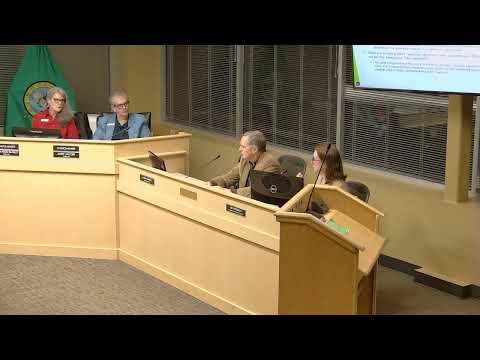
Newcastle council pauses ALPR program amid public-records and privacy concerns, adopts temporary moratorium
Loading...
Summary
The Newcastle City Council voted 7–0 to impose a temporary moratorium on the installation and operation of automated license-plate readers (ALPRs) in city-owned public spaces and rights of way, citing public-records liability and unresolved state policy questions. The pause will remain while the council studies policy and watches pending state legislation.
Newcastle’s City Council voted unanimously on Feb. 3 to impose a temporary moratorium on placement, installation and operation of automated license-plate readers (ALPRs) on city-owned public property and within public rights of way.
Council member Jacobs moved the measure, stating, "I move that we adopt a temporary moratorium on placement installation and operation of automated license plate readers within city owned public spaces and the public right away, including city owned a r ALPRs." The motion carried 7–0 after a sustained public discussion and questions to law enforcement and vendor representatives.
The action followed hours of public comment raising privacy and data-retention concerns and a staff explanation of legal risk. City staff said a prior court ruling in another jurisdiction exposed municipalities to liability when requested records existed briefly on vendor servers and then were no longer available when a public-records request was processed. City Manager Pingel and risk staff told council that such public-records exposure would be borne by the city’s general fund rather than by insurance, creating potential cost and legal risk for taxpayers.
Police and vendor representatives defended operational and security safeguards. Chief Mandela and King County personnel described KCSO standard operating procedures that limit access to law-enforcement queries tied to active cases. A Flock Safety representative said the company is CJIS- and SOC2-certified and stores data on Amazon GovCloud; as Lily Ho summarized, "We save all of our data on the Amazon GovCloud." Vendor and KCSO speakers emphasized that external searches are intended to occur only with law-enforcement purpose.
Public commenters recounted uses of the technology in investigations while also outlining concerns. Steven Vimes said the system can produce pattern-of-life information and warned about vendor control of data, stating, "This is why it's been so effective for federal agents over the past year." Other residents described risks they associate with retention and third-party access.
Council members who supported the moratorium cited unresolved state-level public-records rules and the city’s limited ability to guarantee compliance under the current contract, where the city holds the contract but does not directly host the data. Several members said the council will monitor pending state legislation, develop municipal policies and consider best practices before allowing further deployments.
The moratorium is a temporary measure. Council leaders signaled they will revisit the issue after the Legislature addresses statutory uncertainty and after staff and legal counsel draft local rules and potential contract adjustments. The council also asked staff to explore municipal practices for vendor contracts and records access.