Council adopts Salem substitute to keep East Side CBA funds under city oversight
Loading...
Summary
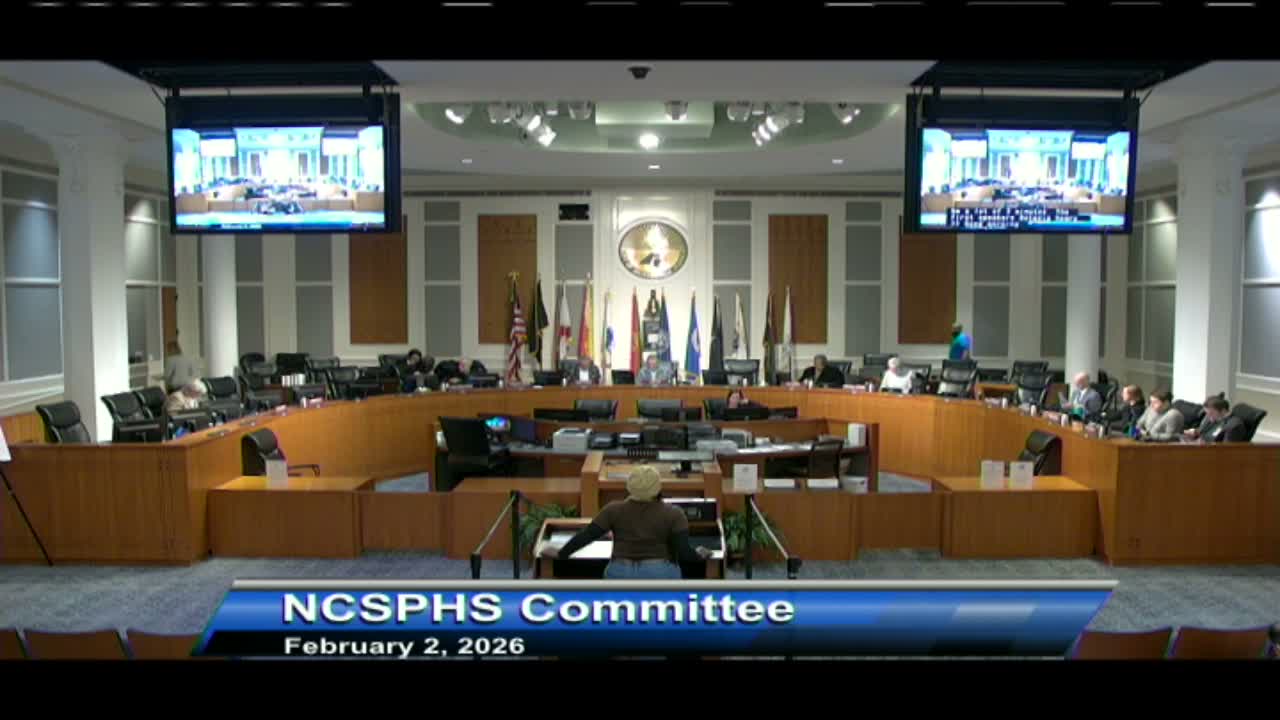
After weeks of public comment, the Jacksonville Neighborhoods Committee voted 6-0 on Feb. 2 to adopt Councilman Ron Salem's substitute for bill 20260036, creating an internally administered East Side grants program modeled on the city's opioid and public service grants processes and moving oversight to Grants and Contract Compliance.
The Jacksonville Neighborhoods Committee adopted Councilman Ron Salem's substitute to bill 20260036 on Feb. 2, approving a city-administered East Side grants program intended to distribute supplemental CBA funds for the city's East Side neighborhoods. The committee voted 6-0 to move the bill as substituted.
Salem framed the substitute as a way to preserve city control and accelerate disbursement. "These are taxpayer dollars, and I think it's extremely important that we have control of those dollars," he said, arguing the opioid-model staffing approach could get money into East Side neighborhoods more quickly than creating an outside nonprofit. Inspector General Matt Lassell and Council Auditor Philip Peterson told the committee that keeping dollars inside city contracts reduces the risk of fraud and improves the city's ability to audit recipients.
The substitute creates a Part 9 in Chapter 118 to establish an East Side Grants Committee and program manager. The committee will be a nine-member body (four mayoral appointees, four council president appointees and one Jaguars employee) that reviews, scores and recommends awards across four funded categories: affordable housing, workforce housing, economic development and mitigation of homelessness. The substitute retains grant limits carried forward from prior deliberations: programmatic grants may receive up to $250,000 and the committee must limit capital awards so that no more than 60% of the annual lump-sum goes to capital projects.
OGC (Mary) described additional operational details in the substitute: applicants will submit competitive grant applications, the program manager will conduct mandatory application workshops (one scheduled at 5 p.m.), and award recommendations will be tentatively and finally adopted under timelines similar to the city's public service grants and opioid grants programs. For the first grant cycle the committee set an initial qualification threshold that applicant organizations have existed for two years; subsequent cycles will require three years of existence, aligning future cycles with PSG requirements.
Public commenters and neighborhood advocates urged the council to adopt the opioid-style city model during the meeting's public comment period. Latavia Harris of the Together Eastside Coalition said the model provides site control and "safeguards" for taxpayer dollars; Travis Williams urged rapid action, noting that "$0 have gone to the East Side community" from the approved CBA funds to date.
Committee amendments rolled into the substitute before the final vote: oversight of the program will be located in the Grants and Contract Compliance division instead of the mayor's office; the committee will seek, to the extent feasible, board members with subject-matter experience (economic/workforce development, affordable/workforce housing and homelessness mitigation); and the first-cycle applicant existence requirement will be two years, moving to three years thereafter.
The committee recorded the vote on the substituted bill as 6 yeas, 0 nays. The measure (20260036) moves forward after committee approval; next steps include any necessary follow-up legislation to add employees or appropriations if administration identifies additional staffing needs. The chair closed the meeting and thanked residents, auditors and staff for their work and participation.