
Teachers and students press Washington district on pay compression and safety; board vows follow-up
Get AI-powered insights, summaries, and transcripts
Sign Up Free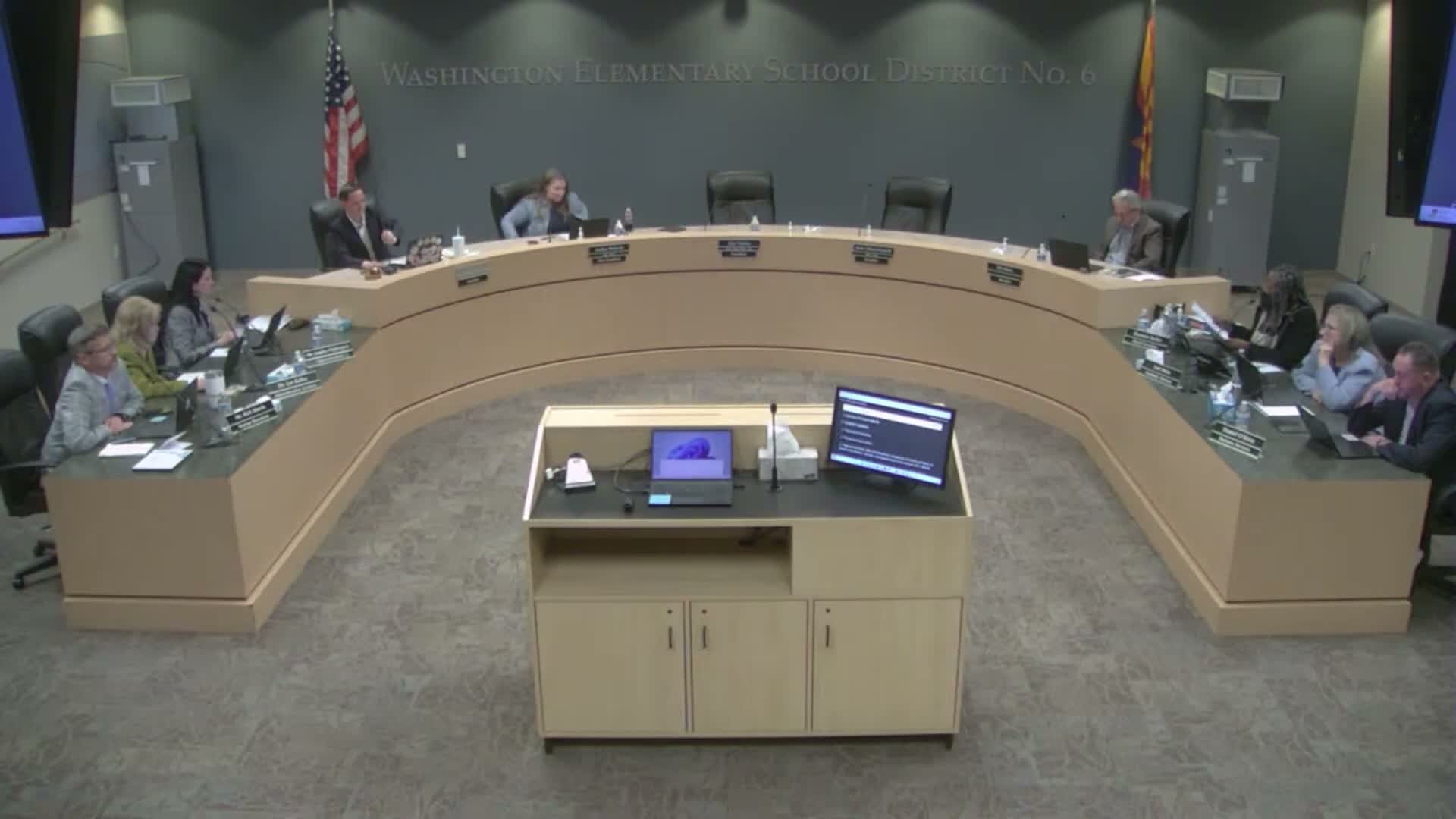
Summary
Public commenters urged the board to address teacher salary compression and retention; a student speaker raised fears about ICE actions and asked whether student protests would carry repercussions. District leaders pledged follow-up and pointed to current policies and a 'safe and stable schools' resolution.
Multiple members of the public used the open comment period at the Jan. 15 Washington Elementary School District board meeting to press the board on compensation and student safety.
Tawn Altonova, identified as a WESD staff member, told the board salary compression is producing a "revolving door" of departing teachers and urged officials to treat teacher retention as a top priority so students have consistent classroom relationships. "If our teachers are in a revolving door ... what's that student gonna feel? Is it gonna be feeling safe?" she said.
Betsy Morris, speaking from the Bridal Palm attendance area, urged the board to recognize that many veteran teachers earn below a single-adult living wage in Arizona (she cited an estimate of about $66,000), and recommended either raises targeted to experienced teachers or contractual changes that reduce or compensate extra-duty expectations.
Student council president Emily Barajas, representing Cholla Middle School, said students have seen ICE activity in the community and asked what steps the district will take to protect students and inform them of their rights. Barajas asked whether walkouts or protests would result in disciplinary repercussions. Dr. Hightower responded that the district will follow up and noted a "safe and stable schools" resolution and procedures meant to protect students if federal agents were to attempt to enter school property.
Maribel Burton urged the board to post signage informing families about the need for judicial warrants and to provide guidance after incidents of racial profiling; she noted that 56% of district students are Hispanic or Latino and called for accountability for discriminatory conduct in schools.
Board members acknowledged the comments: President Clayton and other trustees said they would pursue follow-up with staff, and Dr. Hightower committed to provide specific answers to student questions about rights and school procedures.
No formal motions or policy votes were taken during public comment; the board noted the issues for future consideration and staff follow-up.