Get Full Government Meeting Transcripts, Videos, & Alerts Forever!
Get email alerts on the Short Term Rentals topic
No spam. Unsubscribe anytime.
Kodiak Island Borough Assembly adopts short‑term rental zoning amendments
Summary
The assembly approved ordinance FY2026‑15 revising Title 17 to clarify short‑term rental definitions, require zoning compliance permits and documentation of transient accommodations tax registration; staff said the measure updates code language and is not a new tax.
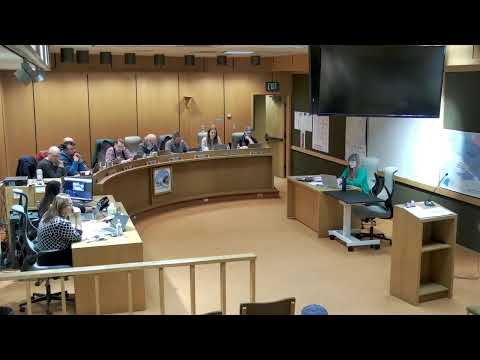
The Kodiak Island Borough Assembly on Feb. 5 adopted ordinance FY2026‑15, a set of zoning amendments that define short‑term rental uses, add guidance for staff and require zoning compliance permits to include documentation that a short‑term rental is registered for the transient accommodations tax.
Manager Williams told the assembly the Planning and Zoning Commission held a public hearing Nov. 19 and unanimously recommended approval. “The proposed code amendment provides distinct short‑term rental uses based on current code allowances while providing additional guidance to staff,” Williams said, and noted the changes update definitions, certain district rules and parking regulations.
Two members of the public called in to comment. Brenda Schwantes said she does not own a short‑term rental but urged the borough to complete a projected revenue-and‑expense analysis before implementing any new enforcement or registration processes, warning of software, staffing and legal costs. “You have to look at what this program is going to cost,” she said.
Several assembly members emphasized the ordinance does not impose a new tax. "This is absolutely not a new tax," Manager Williams said during discussion, and Commissioner Gardner asked staff to clarify that point for the public.
After brief questions about accessory dwelling units and zoning coverage, the assembly took a roll‑call vote and adopted the ordinance unanimously.
The ordinance revises borough zoning code language and requires documentation that new short‑term rental uses are registered for the transient accommodations tax; enforcement and operational details will continue to be handled by staff under the updated code.
The assembly did not add a fiscal note in the hearing record beyond public requests for projected cost estimates; staff and members indicated they will monitor implementation costs as the permit and compliance process begins.