Get Full Government Meeting Transcripts, Videos, & Alerts Forever!
Get email alerts on the Parking Policy topic
No spam. Unsubscribe anytime.
Hagerstown staff propose seasonal residential parking permits for Historic Heights to ease Meredith Park game-day pressure
Summary
Staff proposed a voluntary, seasonal residential parking-permit program for the Historic Heights neighborhood to reduce stadium-related parking pressure. Key elements: free first permit, modest fee for a second permit (staff proposed $15), one visitor pass per permit, seasonal enforcement (April 15–Sept. 15), and complaint-driven enforcement by HPD; staff will refine the plan and return to council.
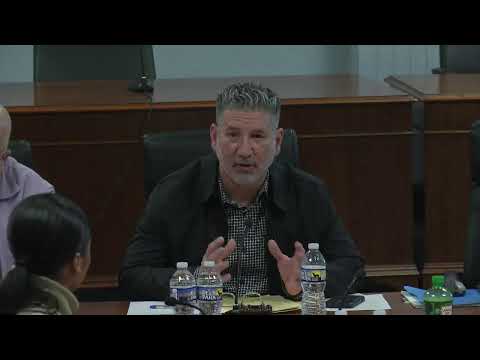
City staff on Feb. 3 presented a framework for a residential parking-permit program aimed at the Historic Heights/North Heights neighborhood to address parking pressure generated by events at nearby Meredith Park.
Staff described the proposed program as voluntary and seasonal (targeting the baseball season, April 15–Sept. 15). The draft framework cited approximately 300 residential units and about 190 on-street parking spaces within the study area between Antietam Street and Park Circle; staff said the city has uncommitted highway-user revenue that could support related capital work.
Key elements discussed include a free first permit for each qualifying residence, a nominal fee for a second permit (council discussion moved staff to propose $15), one visitor pass per permit, and signage and outreach to inform visitors and out-of-town attendees. Staff emphasized that possessing a permit would not guarantee a guaranteed parking space but would protect permit holders from citations or towing during enforcement windows.
Council debated whether enrollment should be voluntary or automatic for residents, how to verify residency (examples included matching driver's license or vehicle registration), the number of visitor permits, and reasonable penalty levels. Staff and a member of HPD discussed enforcement: early-season warnings followed by penalties, with enforcement likely complaint-driven because officers are already allocated to game-day duties. Examples from other jurisdictions (Frederick, Rockville, Harrisonburg) were cited as models.
Council requested staff to refine program boundaries (potentially focusing on the most-impacted streets such as Summit Avenue), clarify the process for right-of-entry agreements for driveway and property access, finalize permit and visitor-pass logistics, and return with a revised proposal in time to publicize before the next baseball season.
Next steps: staff will incorporate council feedback, adjust boundary recommendations, set a final fee structure and enforcement protocol, and return to council with a refined proposal and public-notice plan.