Get Full Government Meeting Transcripts, Videos, & Alerts Forever!
Get email alerts on the Engineering Standards topic
No spam. Unsubscribe anytime.
Plain City consultants propose moving engineering standards out of zoning code into an adoptable design manual
Summary
Consultants from Manik Smith told the Plain Planning & Zoning Commission the village's engineering standards (currently in Chapter 11-25) should be moved into a design manual to modernize technical requirements, improve flexibility, and centralize drawings and review procedures; commissioners asked for more time to review before council adoption.
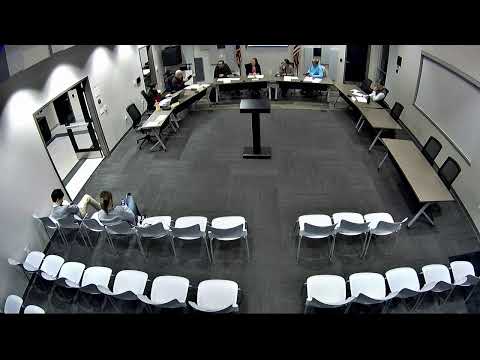
Plain City — Consultants from the Manik Smith group presented a proposal to the Plain Planning & Zoning Commission to remove engineering-specific language from the zoning code (notably Chapter 11-25) and replace it with an adoptable engineering design manual.
Rhett, an engineer with Manik Smith, told commissioners the change is intended to modernize standards, make decisions more nimble, and standardize review procedures for developers and staff. "We wanted to get our engineering standards modernized," Rhett said, adding the manual will include standard drawings for roadway corridors and storm structures and consolidate review procedures so developers know what to expect.
Rhett gave a specific example of why the change matters: the current code identified a fixed pavement buildup that in some cases would make newer, lower-cost base materials unlawful without a variance. "Technically, if they use that, it would be against the law here in Plain City," he said, arguing the manual approach would allow case-by-case review by experts.
Staff described the adoption process: the code change to remove those sections would be paired with council adoption of the manual by resolution so the manual would be publicly posted at the time the code change takes effect. Derek (staff) told the commission the relocation of technical items out of the zoning code "doesn't change how we review" developments for the commission; the change is intended to keep engineering details under a more flexible administrative document.
Commissioners and attendees pressed for broader review. One commissioner asked whether the manual would be sent out for public comment; Derek said it would not necessarily follow a public-comment process and that council would approve the manual by resolution. Multiple commissioners and one industry attendee said they had not seen a copy of the manual and were uncomfortable formally approving or endorsing it without review; several suggested tabling related code items to the February meeting so commissioners and outside industry reviewers could examine the draft.
Rhett said the manual draws on industry standards and peer communities, citing the Ohio Department of Transportation and regional practice for stormwater detention (noting a shift from a two-year event historically used by the village toward a one-year critical-storm method used by Columbus). He emphasized the document is largely modernization and not a wholesale rewrite of existing technical language.
The commission did not take a final vote on the manual itself during the session. Commissioners asked staff to circulate the draft and consider a joint meeting or walking tour with council to align expectations for parks and public-path details that straddle engineering, parks, and zoning responsibilities. The next formal step is for staff and council to schedule review and for council to consider the manual by resolution if the code change is approved.