
Orleans‑Niagara BOCES outlines new learning centers, program growth and budget impact for component districts
Get AI-powered insights, summaries, and transcripts
Subscribe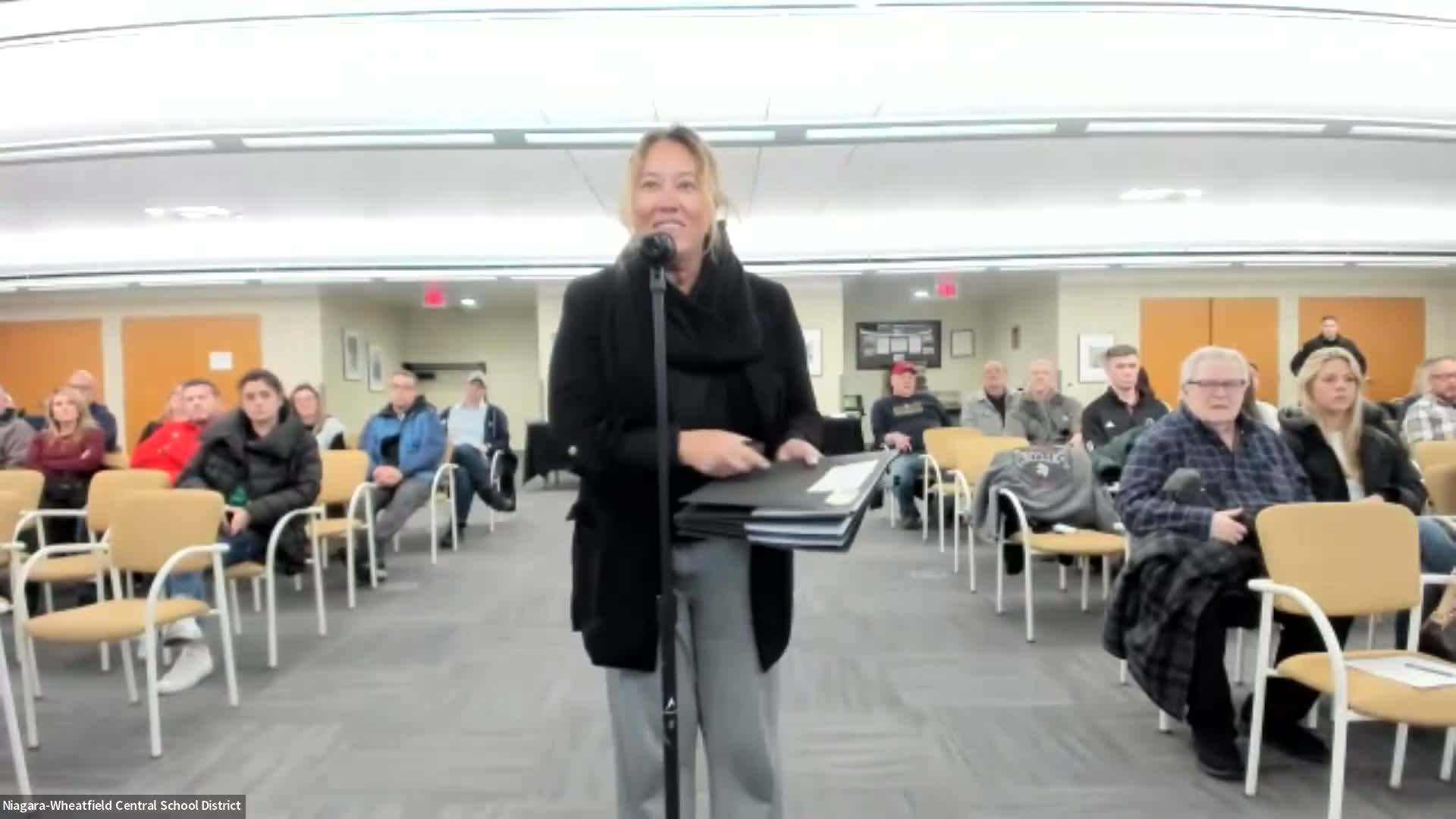
Summary
Orleans‑Niagara BOCES leaders told the Niagara‑Wheatfield board they will open several new learning centers for 2026–27, expand programs (CTE, adult education, suspension/alternative ed) and asked component districts to consider a 10.86% administrative-budget increase; Niagara‑Wheatfield’s share was projected at about 9.48% (~$35,000).
Orleans‑Niagara BOCES leaders presented an overview of services and site changes to the Niagara‑Wheatfield Central School District board, saying the BOCES will relocate or open several learning centers for the 2026–27 school year and expand career, technical and adult-education offerings.
"Our theme this past year and into this next year is building our capacity," said Dr. Tawy Bonferrar, introduced to the board as the district superintendent and chief executive officer for Orleans‑Niagara BOCES. He described the BOCES as a conduit between component districts and the New York State Education Department and said the organization serves 13 component districts with two CTE centers, one with its administrative hub in Medina and a larger CTE center near Sanborn.
Dr. Belady Conley, executive director of business and operational services, outlined planned site changes tied to lease expirations. She said the North Tonawanda Learning Center lease will expire and the BOCES plans new or expanded locations — Ransomville Learning Center, Tonawanda Creek Learning Center (leasing a former church-school building), Loopport Learning Center and an expanded site adjacent to Niagara‑Wheatfield. Conley said the Tonawanda Creek site would require a playground grant and that some sites will house suspension and alternative-education classrooms for grades 5–6 to support integration rather than segregation.
Conley offered specific figures for the budgetary effect. "Our admin budget increase is going to be about 10.86% this year," she said; that increase is spread across all 13 component districts. Based on projected resident-weighted average daily attendance, Conley said Niagara‑Wheatfield’s share of that increase would be about 9.48%, which she equated to approximately $35,000 for the district.
The presenters listed program expansions including adult literacy (GED and English-language instruction), skilled-trades courses (welding, electrical, HVAC), a practical nursing (PN) class with roughly 40 enrollees and early-college access opportunities that are BOCES-aidable when districts pay for students’ college courses. They also identified support services such as professional development, library and media services, courier/mail services, public-relations and web design support for component districts.
BOCES leaders said the component-district vote on BOCES services and budget was scheduled for April 21, 2026. Board members from Niagara‑Wheatfield thanked presenters for the collaboration and noted the broad student participation in CTE; the district superintendent told the board that about 40% of the relevant cohort engages with CTE programming.
What’s next: The board will receive the BOCES materials and the district will participate in the component-district vote on April 21, 2026. The presentation also signaled follow-up on leases and potential grant opportunities for playgrounds and site improvements.