
Ball Chatham superintendent outlines districtwide facility needs ahead of referendum
Get AI-powered insights, summaries, and transcripts
Subscribe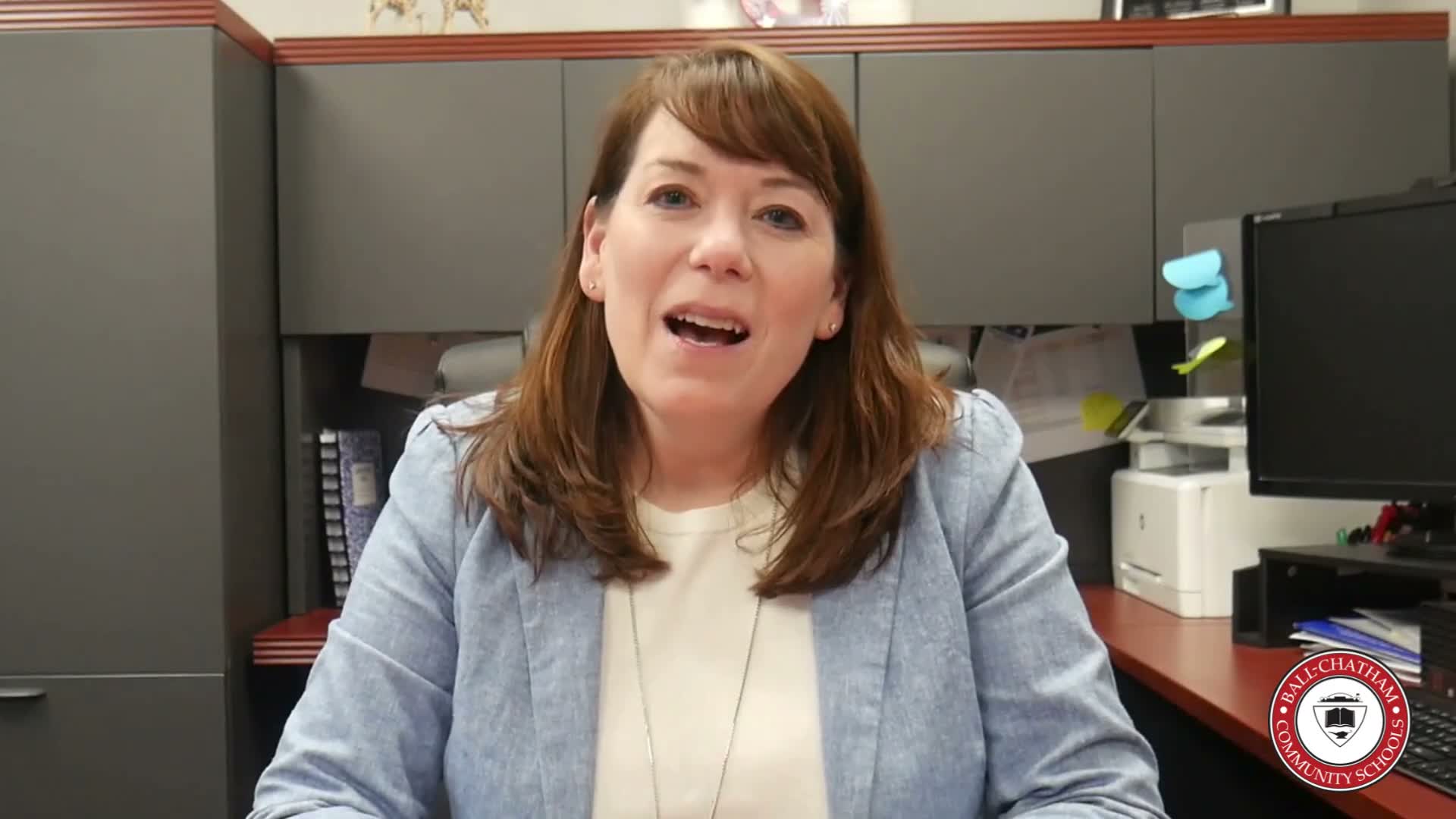
Summary
Dr. Becca Layman, superintendent of Ball Chatham Community Unit School District 5, detailed aging infrastructure, safety and accessibility problems across district schools and said an upcoming referendum would fund comprehensive repairs, including a proposed $5 million HVAC replacement at Ball Elementary.
Dr. Becca Layman, superintendent of Ball Chatham Community Unit School District 5, outlined widespread building problems and urged support for an upcoming referendum to fund repairs. She told attendees the district’s estimated adequacy rate is 73%, leaving a 27% shortfall she said 'equates to approximately $25,000,000 each year.'
Layman said most of the district’s revenue is devoted to staff salaries, benefits and instructional materials, leaving little to address maintenance. 'Reactive maintenance is never the most cost effective or sustainable approach,' she said, arguing the referendum would restore a proactive maintenance program to protect taxpayer investment and keep facilities safe and accessible.
She listed school-by-school needs. At Ball Elementary, Layman described 'one of our largest and most urgent projects' as replacing roughly 75% of the HVAC system, which she said is planned for 2026 at an estimated cost of $5,000,000; the project would require geothermal-well drilling and reconstruction of a back parking/play area. At Chatham Elementary she pointed to inadequate window coverings that create a security concern, classroom sinks that have caused water damage, attic gaps showing insufficient insulation, and leftover wiring near the fire-alarm dialer that should be removed for safety.
Layman said Glenwood Elementary, built in 2011, shows fewer major issues but needs playground and mechanical work after a slide cracked and surfacing erosion. At Glenwood Intermediate she flagged an ADA-flagged bus-loading lot, a poor security lock near transportation, mechanical-room wiring and obsolete switchgear, and an underused 'Forum' space the district would like to convert into a larger band room. At Glenwood Middle she said 'Of the 4 boilers, only 1 is fully functional,' noting gym leaks and accessibility problems for band space. At Glenwood High she said boilers, chilled-water piping and domestic water heaters require ongoing attention and that districtwide fire-alarm and suppression systems 'were flagged for replacement more than 5 years ago.'
Layman emphasized that many repairs have been temporary fixes rather than durable solutions, pointing to peeling door paneling, worn floor transitions and makeshift repairs. She said the district has identified 16 facility projects and that restricted local sales-tax revenue approved in 2018 helped with a few projects (two playground replacements, some parking-lot resurfacing and a partial HVAC at Chatham Elementary) but does not cover the broader needs.
The presentation did not specify a referendum date. Layman closed the presentation by restating the referendum’s purpose 'to address those needs responsibly, comprehensively, and for the long term' and thanked attendees for joining the session.
Next steps: the district said it is pursuing the referendum to fund the projects described; a formal timeline and ballot date were not specified in the presentation.