
Judiciary Committee debates local-federal immigration MOUs amid profiling concerns
Get AI-powered insights, summaries, and transcripts
Subscribe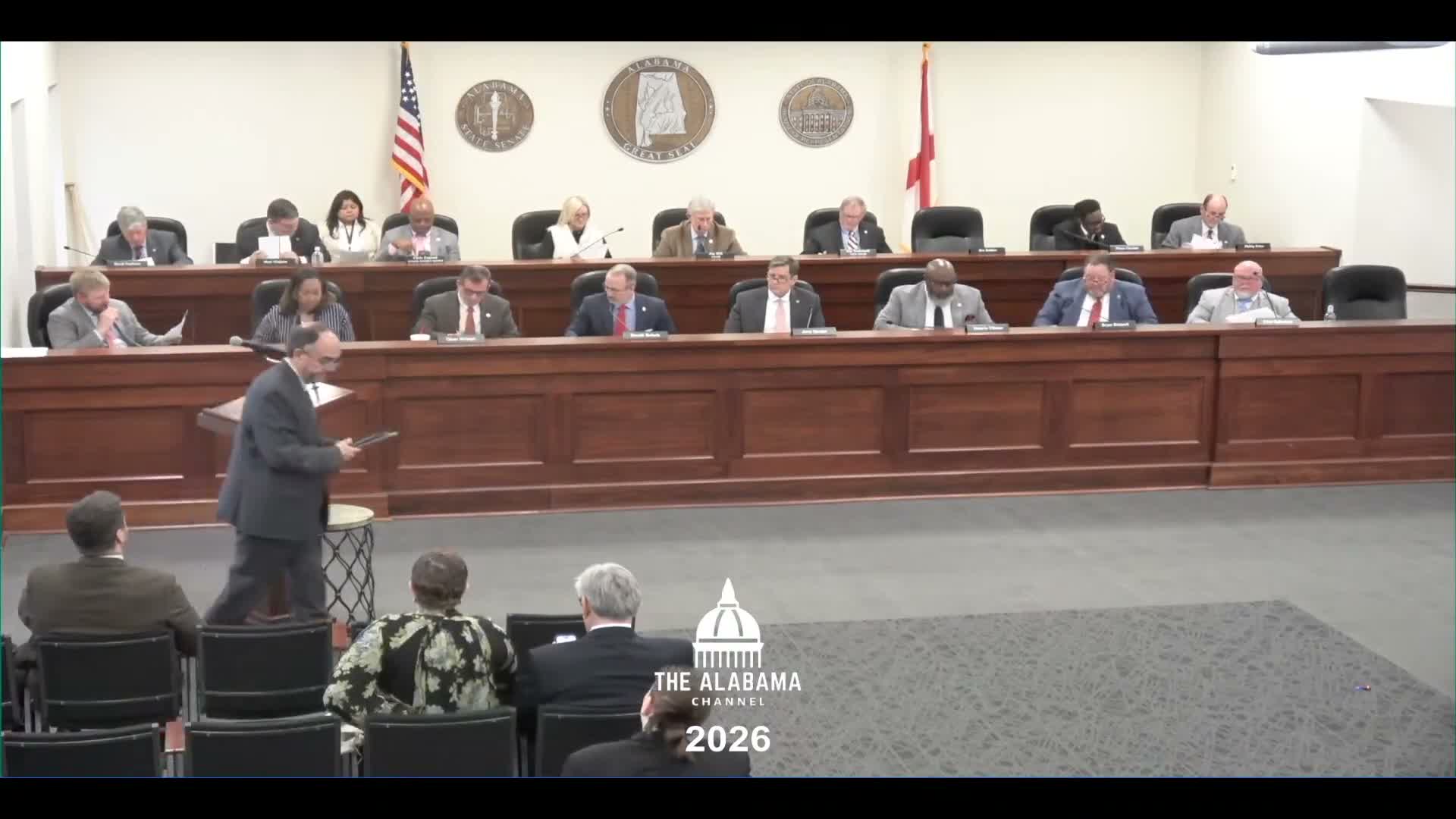
Summary
A Judiciary Committee bill to enable local law enforcement to cooperate with federal immigration agencies under memoranda of understanding prompted extended debate over probable cause, reasonable suspicion and the risk of racial profiling; sponsor said MOUs are voluntary and the bill requires probable cause.
A Judiciary Committee hearing on a bill to encourage memoranda of understanding (MOUs) between local law enforcement and federal immigration agencies drew sustained debate Wednesday over constitutional safeguards and enforcement risks.
Representative Yarbrough, who introduced the measure, said the bill mirrors legislation the committee passed last year and is intended to provide a framework for cooperation with federal authorities. "This is the same bill that we passed out last year," Yarbrough said, arguing the legislation would not change constitutional protections but would provide a process for local agencies to assist federal enforcement when appropriate.
Opponents warned the bill could enable stops and detentions based on expanded interpretations of reasonable suspicion stemming from a Supreme Court opinion, frequently identified in the record as Justice Kavanaugh's language. One committee member argued the practice known colloquially in the hearing as "Kavanaugh stops" risked encouraging officers to rely on indicators such as language ability, place of work or congregating patterns. That member told the committee the measure "encourages law enforcement officers when they're on the scene to determine if somebody's here without documentation to engage in the sort of racial profiling" and urged additional safeguards.
Bill supporters and the sponsor repeatedly said the bill requires probable cause for arrests under any MOU and includes language preserving constitutional rights. The sponsor told members that the text includes safeguards added in prior sessions and that the MOUs are voluntary: local agencies "have to follow the MOU that they established with the federal government," and the bill does not compel an agency to enter an agreement.
Committee members also pressed the sponsor on practical details, including whether a federal agent must be physically present when an MOU is invoked and how smaller departments would handle interpreter needs during booking. The sponsor committed to working with members on clarifying language; one member asked whether an explicit interpreter provision could limit detention time, and the sponsor said he would collaborate to address the concern.
After extended questioning and clarification, the committee recorded a favorable report on the measure by voice vote.
Next steps: the bill, as given a favorable report, will proceed to further floor or chamber consideration according to the chamber's calendar.