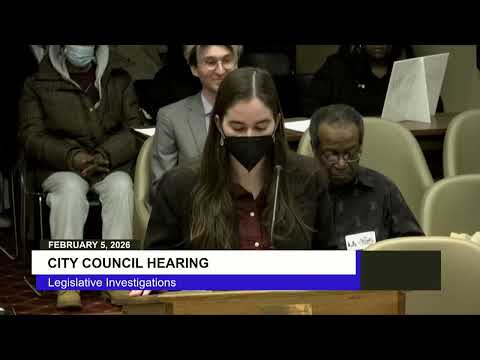
Residents press city over Hanover Square elevator failures, bedbugs and repeated repairs during council oversight hearing
Loading...
Summary
A string of Hanover Square residents and tenant leaders told the council about broken elevators, repeated bedbug and rodent infestations, missing on-site maintenance and multiple structural failures; advocates presented inspection logs that, they say, show DHCD records marking violations as abated despite ongoing problems.
Residents from Hanover Square and other Baltimore apartment complexes gave emotional testimony at a Feb. 4 council oversight hearing, saying repeated maintenance failures and pest infestations have left many tenants—particularly older adults and people with disabilities—unsafe in their homes.
Multiple witnesses described the same pattern: long waits for repairs, no on-site maintenance crew, broken elevators that strand residents and dangerous temporary fixes. "Sometimes I had to go to bed with clothes on and extra pairs of socks to stay warm at night," Richard Grant said of years without reliable HVAC in his senior apartment. Kevin Randall, tenant council president at Hanover Square, said the main ramp was unplowed during recent snow and seniors lacked practical access to the building.
Rashida Shavers recounted repeated ceiling collapses—one occurring on the day her father died—and lengthy delays in getting repairs despite court and 311 complaints. "I submitted videos of being stuck on the elevator for 30 minutes," she said. Jeffrey Chapman, who said he has chronic obstructive pulmonary disease, said repeated elevator drop incidents and bedbugs forced him to discard furniture.
Tenant advocates asked the council to focus on speedy enforcement and remedies for buildings that repeatedly fail to provide basic services. Samantha Gowling, a tenant attorney with the Public Justice Center, urged the city to apply the same enforcement intent to single-family rentals and owners operating through shell companies.
Caroline Tripp of Maryland Legal Aid presented inspection logs and photos from a property on the Priority Dwelling list that she said undercut DHCD’s reinspection findings. "The inspector took a picture of the stove with his clipboard covering the damaged area and wrote down 'stove oven door gasket repaired,'" Tripp said; she and council members later observed the same damage and documented it with photographs.
DHCD said it is scheduling mandatory meetings with owners and will perform interior priority inspections and re-inspections; it also said tenants can request anonymous inspections through 311. Council members said the agency must ensure sufficient inspector capacity, improve public data about why properties appear on the Priority Dwelling list, and consider stronger tools—including receivership legislation when owners refuse to remediate.
The hearing did not produce immediate relocations, emergency city-funded sheltering, or a formal enforcement action taken on the record; DHCD representatives said the agency would follow up on specific properties and remain available for tenant meetings after the hearing.