
Council presses city on cannabis licensing caps and grandfathered applications; three items withdrawn for review
Get AI-powered insights, summaries, and transcripts
Sign Up Free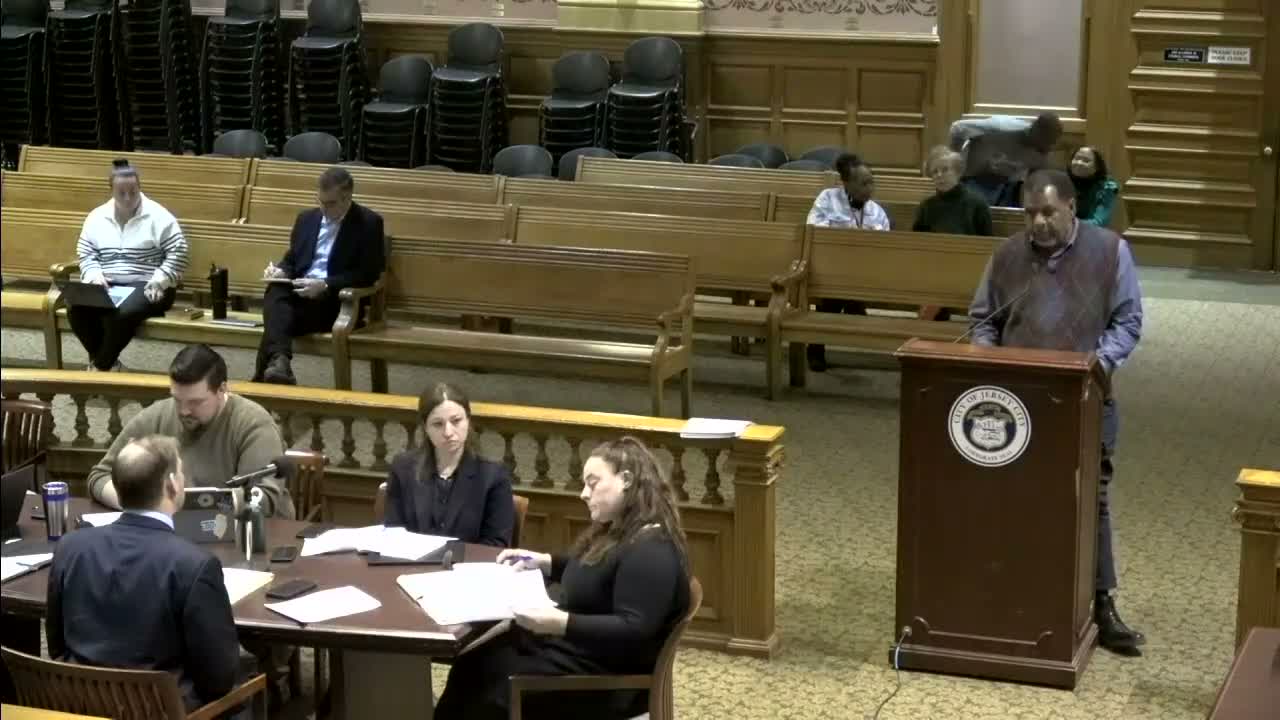
Summary
Officials and staff reviewed a backlog of cannabis applications, explained a 48‑license citywide cap and an 8‑per‑ward cap introduced in April, and said applicants who started before the cap were grandfathered. The administration withdrew three agenda items to give council time to review locations, ward counts and potential legal issues.
Maynard Woodson, director of the Division of Commerce, briefed the council on the city's cannabis licensing program and the Cannabis Control Board (CCB) process. He said the city initially received more than 80 applications when the program opened and that 54 applications were approved by the city; some licensed outlets have since closed and Woodson said 23 dispensaries currently operate.
Woodson said the council adopted a cap in April that limited citywide retail licenses to 48 and to eight per ward, but applicants who filed before the cap took effect were allowed to continue through the approval process and therefore can exceed those caps. "If the application was received before we instituted the cap, they're allowed to continue," Woodson said. Law department counsel Brittney Murray confirmed the council may consider whatever non‑arbitrary, non‑capricious reasons it wishes when voting on local‑support resolutions but cautioned that adverse council action can invite litigation.
Council members raised neighborhood and economic concerns: clustering of dispensaries within wards, the impact on small businesses, and cases where operators completed significant build‑outs but then closed. Councilwoman Little pressed for ward‑level detail on the applications and for clarity on the distinction between different classes of licenses; Woodson said he would provide a ward‑by‑ward list of operating shops and a breakdown of license classes.
Because council members and staff requested more time to review specific applications, the administration said it would withdraw three cannabis‑related agenda items from the current meeting and reintroduce them at the next council meeting after additional briefing and vetting.
The law department reiterated that council votes on local support resolutions should be based on stated, non‑arbitrary reasons; Woodson and Murray both said the council retains discretion but that actions could be subject to legal challenge.