
Centerville High to phase in allied-health career-technical program offering phlebotomy and patient care certifications
Get AI-powered insights, summaries, and transcripts
Subscribe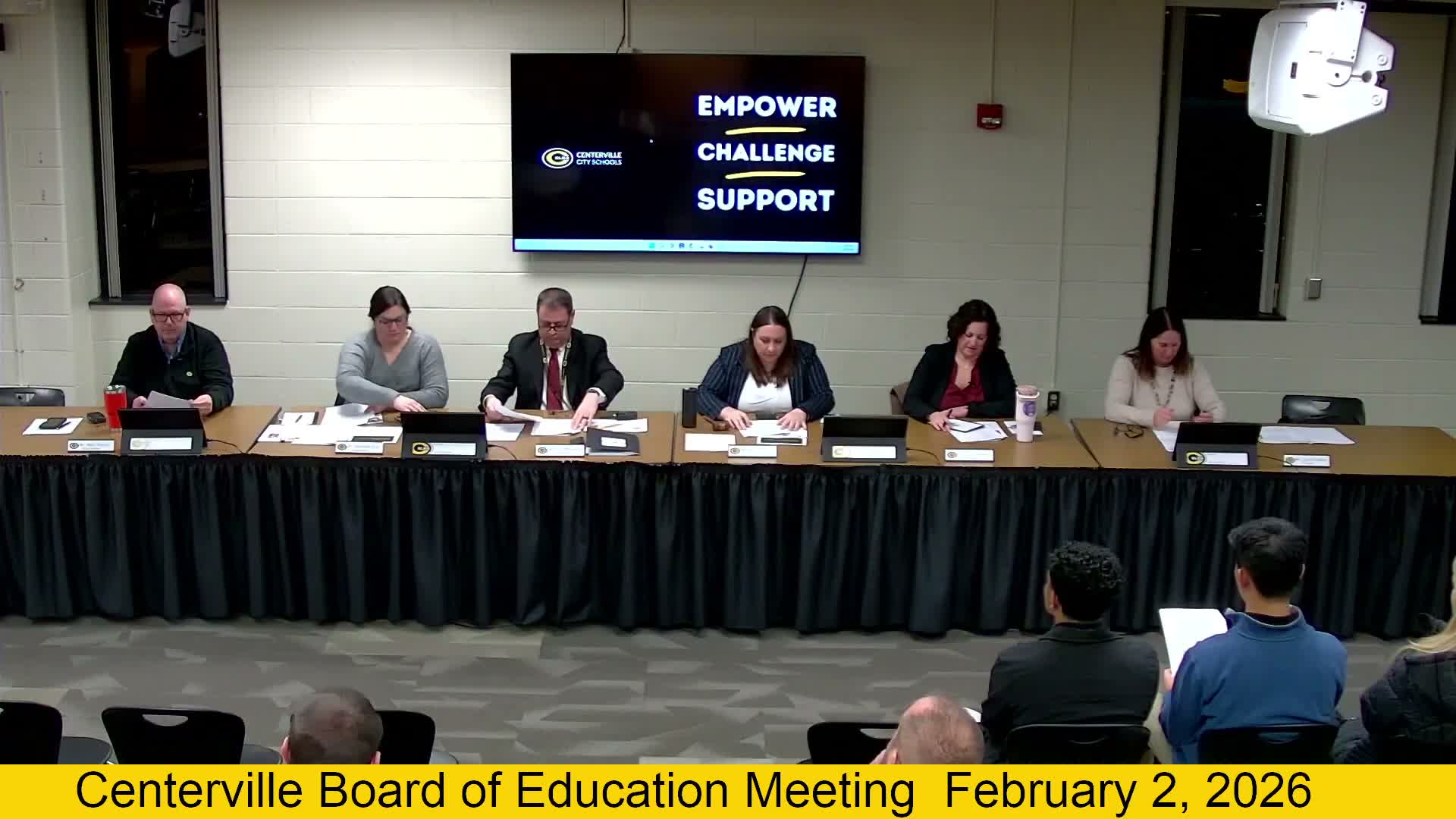
Summary
District officials announced a phased allied-health career-technical program at Centerville High School offering patient care technician and phlebotomy certifications, using existing staff and partnering with Sinclair and Premier Health; administrators said the program brings state/federal CTE funding support and high student interest.
Centerville City Schools will introduce an allied-health career-technical education (CTE) pathway at Centerville High School next year, district staff told the school board on Feb. 2.
Mr. Trowell, presenting the plan, said the program will offer patient care technician certification and a phlebotomy certification, and that the district will phase the two-year program beginning in students' junior year. "We will be phasing in an allied health program ... we will be offering what's called a patient care technician certification and a phlebotomy certification for all students that go through that program," he said.
Trowell told the board the program would use one current health/PE teacher to deliver the coursework so no additional staff would be required initially. He said the district has strong local interest—"we have about 500 students at Centerville High School that participate in their junior and senior year in our career, technical education program"—and cited partnerships with Sinclair and Premier Health, plus an annual state/federal funding contribution (about $250,000) that helps offset CTE costs.
Presenters said the new pathway is intended to expand local postsecondary and workforce options without cannibalizing the limited seats that Sinclair provides for certain certifications. The district noted the existing STNA program is a Sinclair offering and that Sinclair capacity has limits; the allied-health program is intended to add capacity and local continuity.
Next steps include finalizing equipment and partnership support through advisory councils and working through course scheduling and student recruitment for the upcoming school year. Officials characterized the program as fiscally responsible because it leverages existing staff and available grant/state funds.
The board did not take a separate vote to adopt the curriculum at the meeting; presenters requested feedback and said more implementation details would be shared during the coming work sessions.