
After bond defeat, Mercer Island leaders plan new outreach, smaller projects and demographic study
Get AI-powered insights, summaries, and transcripts
Subscribe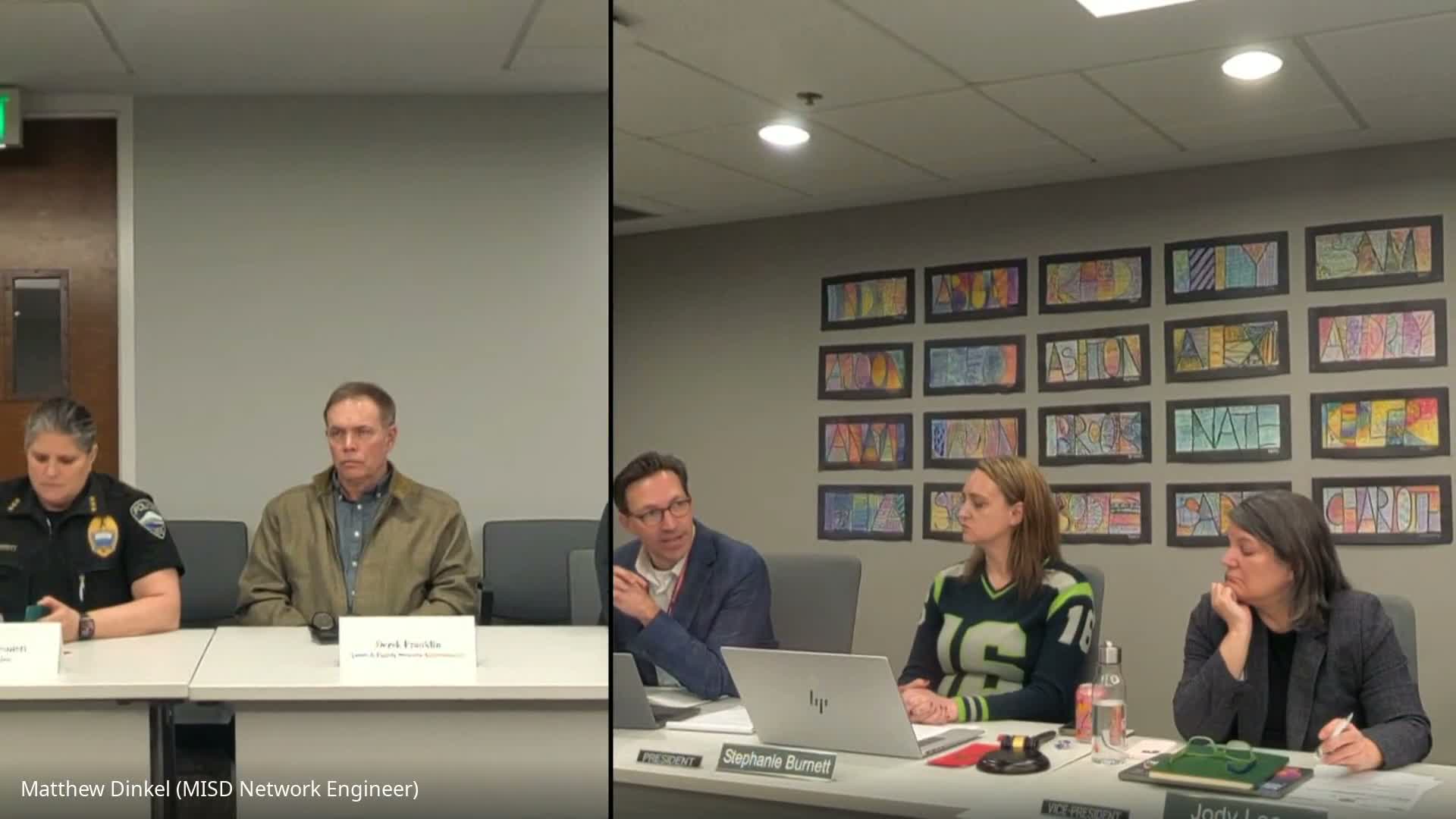
Summary
City and school leaders said they will use a statistically valid survey and clearer project cost explanations to rebuild support after a recent bond measure failed; staff cited aging infrastructure, upcoming high-school site visits and declining early-grade enrollment as planning priorities.
City and school officials used the linkage session to review next steps after the most recent school bond failed and to coordinate on facilities, survey work and enrollment planning.
Superintendent Fred Rundle said the district's kindergarten-through-second-grade cohort across four elementary schools is arriving just under about 250 students, with kindergarten nearer 200 — a pattern that contributes to long-term budget pressure as larger classes in older grades age out. "Our kindergartens are lower; they're coming in around 200 or a little lower," Rundle said, and the district is scheduling study sessions to examine demographics and plan for program continuity.
Bond review and survey: District staff described a mixed community response to the previous bond: an initial 56—57% broad-level agreement that the schools need additional funding increased into the mid-60s when respondents received more detail in follow-up questions. City and district leaders said a live, statistically valid survey in the field will conclude soon and that staff hope clearer project costing and targeted outreach will raise public understanding and acceptance.
Facilities and site visits: The group set a schedule for upcoming high-school site visits (tentatively March 5, starting early in the morning) and discussed options to repurpose or rehabilitate existing municipal buildings — including whether recently acquired properties could host operations or emergency response functions — as part of a more modular, lower-cost approach to infrastructure needs.
Why it matters: Officials said tax sensitivity in the community is high and that a combined city-school approach to explain trade-offs, show smaller project alternatives and coordinate on timing can improve chances for a future ballot measure.
Next steps: City and district staff will share survey results once available; staff are preparing more fully costed options for prioritized maintenance and safety work and will schedule further study sessions on enrollment and facility planning.
Ending: Leaders said this linkage meeting should be the start of regular coordination as the city's planning (including regional housing work) unfolds and as the district refines what projects are essential, what can be staged and how to present them to voters.