Get Full Government Meeting Transcripts, Videos, & Alerts Forever!
Get email alerts on the Wildlife Conservation topic
No spam. Unsubscribe anytime.
HawkWatch outlines banding program to track declining American Kestrels in Salt Lake Valley
Summary
A biologist from HawkWatch International described a nest‑box monitoring and banding program across the Salt Lake Valley intended to track site fidelity, productivity and survival of American Kestrels; the group uses USGS metal bands and color alphanumeric bands and asks the public to report sightings online.
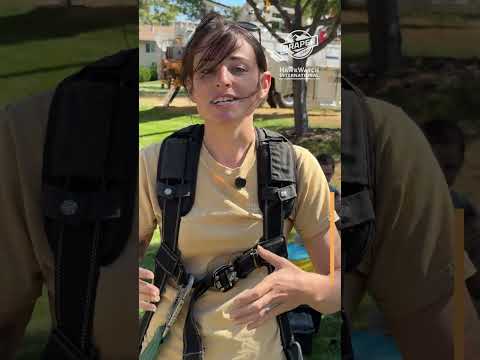
Kate, a biologist with HawkWatch International, described the group’s effort to monitor American Kestrel populations across the Salt Lake Valley and how banding nestlings helps researchers track survival and movements.
The nonprofit places and monitors “hundreds of nest box[es] throughout the valley,” Kate said, working with volunteers in a community science team to check boxes and band nestlings when they are old enough. The program uses two marks: a USGS metal band bearing a unique nine‑digit number and a colored alphanumeric band. “You can think of it like a social security number,” she said of the USGS band, explaining that the number lets researchers identify where a bird came from and estimate its age if it is re‑encountered.
The color band provides an easier field identifier, Kate added, for example “green, AAA,” which members of the public can report on HawkWatch’s website so staff can look up the bird’s banding record. That combined system lets the group answer core questions about the species in the valley: whether birds return to the same nest box, how productive individual sites are from year to year, and what average survival looks like.
Kate framed the program as a response to “decreasing kestrel populations,” saying the monitoring network and banding data are tools to “disentangle what’s going on with American kestrels.” She described the Salt Lake Valley as a useful study area because it contains many landscape types and rapid landscape change, which may influence kestrel trends.
HawkWatch International is asking people who spot banded kestrels to report sightings on its website so staff can match color codes or USGS numbers to their records. The presentation did not include a schedule of upcoming banding events, counts of years covered, or results from analyses; those details were not specified during the remarks.
The organization’s next steps are to continue monitoring the nest‑box network and analyze resighting and recapture data to estimate site fidelity, productivity and survival rates. Members of the public who see a banded kestrel should record the color code or USGS number and report it to HawkWatch for inclusion in the study.