Get Full Government Meeting Transcripts, Videos, & Alerts Forever!
Get email alerts on the Vector Control topic
No spam. Unsubscribe anytime.
Washington County mosquito abatement warns of peak season, urges residents to remove standing water
Summary
Sean Amott, administrator of the Southwest Mosquito Abatement and Control District, said late summer is peak mosquito activity. He outlined trapping and testing procedures, advised residents to remove standing water and recommended 30% DEET or protective clothing; no West Nile virus has been detected locally this year.
Sean Amott, administrator of the Southwest Mosquito Abatement and Control District in Washington County, said late August into early September is the peak mosquito season and crews are busier than usual.
"Late August to early September is when all the mosquitoes start coming out," Amott said, explaining that adult mosquitoes prepare for diapause — a hibernation-like state — while seeking blood meals and egg-laying sites. Monsoon weather has accelerated hatching and increased field activity, he added.
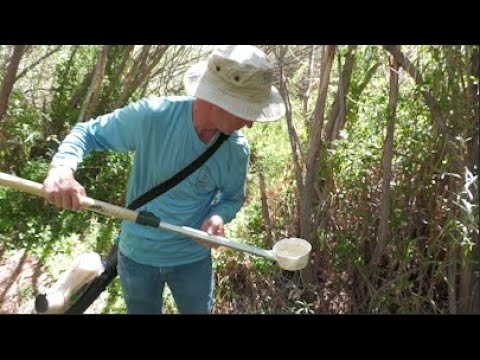
Amott described how crews search for larvae and treat breeding sites immediately, using bacterial products or surfactants designed to kill pupae. "What we'll do is we'll look for the larvae, and then the crew will actually treat the larva right then at that moment," he said. He also warned that an invasive species has been found in yards with recent landscaping and potting soil or mulch from local nurseries, suggesting those products may have been a pathway for introduction.
On surveillance, Amott said northern Utah has seen West Nile virus detected in mosquito pools, but "here, we have yet to find any this year." He cautioned that migrating birds carrying the virus could seed local mosquito populations as temperatures cool.
The district uses five-gallon bucket traps placed near waterways overnight to collect specimens. Crews typically set traps on Monday or Tuesday nights and retrieve them the next morning for sorting; captured mosquitoes are then randomly tested for West Nile and other viruses. Amott described the lab process: infected mosquitoes are placed in vials with liquid and processed to test for viral genetic material. The district also screens for Saint Louis encephalitis and western equine encephalitis.
Amott gave basic prevention advice for residents: inspect yards for standing water, check pool covers and splash guards that can hold water, and either wear long sleeves and pants or use repellent. "30% DEET is effective," he said, while noting some people choose organic or natural products instead.
He noted that a single female mosquito can lay about 100 eggs per cycle and may repeat that cycle three to four times, which can lead to rapidly increasing local populations. Symptoms of West Nile infection can include fever, respiratory issues and "kind of a brain fog," and older adults or people with weakened immune systems are more likely to show noticeable illness.
Residents who see mosquito problems are asked to call the district. "We actually appreciate the calls," Amott said, describing the call-in service as a free benefit funded by a small fee all Washington County property owners pay to the special service district. The abatement program coordinates with the health department to share general areas of any human cases so crews can treat those locations.
There are about 21 mosquito species in Washington County, and Amott reiterated that, so far this year, no mosquitoes carrying West Nile have been reported locally.
— Melissa Anderson, Community Education News