Get Full Government Meeting Transcripts, Videos, & Alerts Forever!
Get email alerts on the Little League Fields topic
No spam. Unsubscribe anytime.
Saint Mary's County Little League urges more diamonds, batting cages and a turf study to ease field shortages
Summary
Jimmy Jones, president of Saint Mary's County Little League, told the advisory board the league capped enrollment this year because of field shortages and proposed expanding batting cages and studying multi‑sport turf fields; board members discussed cost, maintenance and tournament hosting tradeoffs.
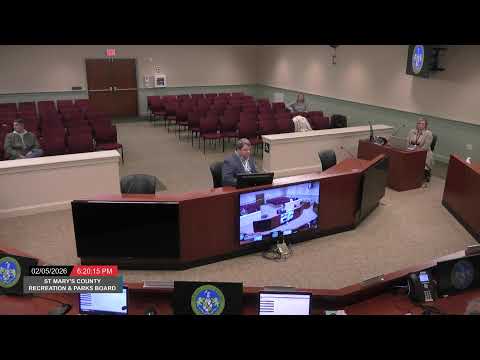
James "Jimmy" Jones, president of Saint Mary's County Little League, told the Recreation & Parks advisory board that the league’s top needs are more 90‑foot diamonds and improved practice resources. Jones said rain cancellations and field saturation drove the league to cap registration this year and suggested two practical options: construct a larger network of batting cages at existing sites and study a multi‑sport turf field for long‑term tournament and playability gains. "More specifically, a multi sport turf type facility... I think that would be huge," Jones said during his presentation.
Jones described batting cages as a lower‑cost, quick‑to‑deploy resource that would let teams practice on days when fields are wet. He recommended exploring turf batting cages or "training pads"—smaller, less expensive turf areas that could be shared across leagues. "If you had 30 batting cages in this county... they still get some type of practice in," Jones said.
Board members acknowledged the benefits of turf for playability and safety but raised concerns about cost, long‑term maintenance and potential fee increases for families. One member summarized those tradeoffs, saying turf can increase playability "by far" but questioned how much user fees would have to rise and whether parents would accept the increases without clear maintenance plans. Several members urged a middle ground—installing turf training pads or cages first and studying multi‑sport turf fields before committing to construction.
Jones also addressed communication and transparency after capping registration. He acknowledged rapid changes in assessments and apologized for any confusion, saying the new board and his new role contributed to tight timelines. He welcomed county scholarship support if approved and noted Little League already sets money aside and that Little League International offers grants families can apply for.
Next steps: Board members encouraged joint planning among leagues to explore cost‑share models, suggested staff arrange a turf demonstration or site visit to an existing turf baseball facility, and recommended better and earlier communication with parents when program changes are necessary.