Get Full Government Meeting Transcripts, Videos, & Alerts Forever!
Get email alerts on the Budget topic
No spam. Unsubscribe anytime.
Tempe council candidates offer competing fixes for roughly $21 million shortfall: cuts, fees or taxes
Summary
At a Tempe candidate forum, contenders differed on closing a roughly $21 million shortfall: some proposed targeted spending reviews and hiring freezes; others proposed new local taxes and tourist fees, while incumbents cited reserve draws and program cuts.
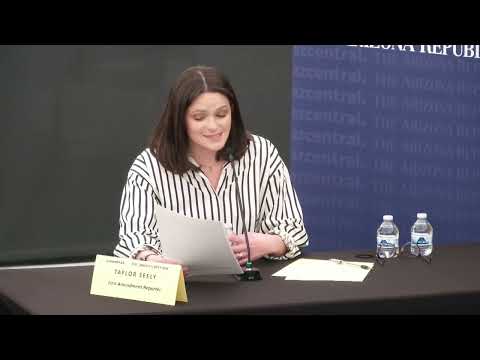
At a candidate forum at the Tempe History Museum, contenders for three at-large seats offered sharply different approaches to closing a roughly $21 million revenue shortfall the city reports after state changes to shared tax revenue.
Brooke St. George proposed a disciplined, priority-based approach: freeze nonessential hiring, run 90-day zero‑based budgeting sprints in the highest-spending departments, post results publicly and pursue revenue from development impact fees and long-term ground leases. “Every program would have to show real outcomes before we spend money,” she said.
Challengers and incumbents described alternative mixes. Jennifer Adams, citing years of city financial management, said the city is already implementing hiring freezes and personnel reductions and favored preserving core services rather than new taxes.
Bobby Nichols argued for both cutting waste and raising targeted taxes on visitors and large businesses. He suggested a 2 percentage-point increase in transaction privilege taxes on short-term rentals and certain commercial activity, saying that approach could generate an estimated $40 million annually to cover lost revenue and expand programs; he presented it as a dedicated revenue path for early childhood and other services.
Joe Forte emphasized using events and tourism to grow the tax base rather than broad new levies, citing farmers markets and large-scale events as ways to boost local spending.
Several candidates called for eliminating or renegotiating outside contracts as a budget step; Brooke St. George and others mentioned reducing travel and improving cost recovery for city events.
Candidates differed on how aggressive to be with staffing and program cuts: some favored department‑wide, across-the-board reductions only after open review; others urged deeper scrutiny of personnel and program growth over recent budget cycles.
The forum provided few firm programmatic commitments tied to legal enactments; candidates generally framed choices as priorities rather than immediate votes. The moderator reminded voters that the city reports no funding for expanding programs without new revenue or major reallocations.
Next steps: candidates and the public can expect follow-up reporting and more detailed budget plans from campaigns and city staff as the election approaches.