Get Full Government Meeting Transcripts, Videos, & Alerts Forever!
Get email alerts on the Budget topic
No spam. Unsubscribe anytime.
Red Wing board approves revised budget; unassigned fund balance remains healthy
Summary
Board received a detailed budget presentation and voted to approve a revised budget that projects a small general fund surplus and an unassigned fund balance just over 20%; presenters flagged enrollment decline as the primary revenue challenge.
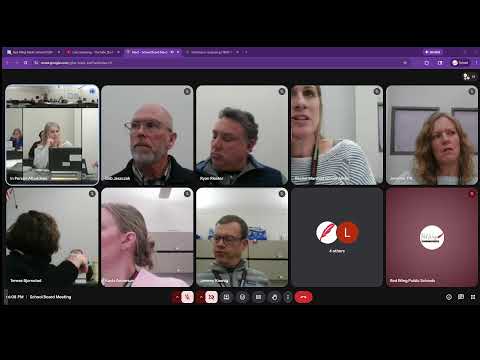
The Red Wing Public Schools board voted Jan. 27 to approve a revised budget after a presentation by district finance staff.
Presenter Chris (district finance staff) said enrollment — which has fallen roughly 3% over recent years (about 60–75 students) — is the single biggest driver of general fund revenue. For fiscal year 2026 the state39s basic formula allowance was cited in the presentation as $7,481 per pupil unit.
Chris reported the district ended fiscal year 2025 with an unassigned fund balance just under 21% and projects that balance to be just over 20% at the end of FY26. The presentation stressed that for a district this size an operating unassigned fund balance in the 15–25% range is reasonable and that fund balance is critical for cash flow.
The presentation showed roughly 68% of general fund spending is for instruction (about 38% general instruction and 21% special education) and about 63% of the budget goes to salaries and benefits. Chris said the district's general fund revenues are sensitive to state aid changes and that federal aid comprises a small share (presenter cited roughly 1.7% of the general fund).
The board approved the revised budget by roll-call vote after the presentation. The presenter noted key summary metrics in the revised budget: a projected increase in unassigned fund balance of about $300,000 and an overall general fund surplus of approximately $76,000.
The board also scheduled follow-up work including requests for multi-year projections; the presenter said a two-year forecast is reasonable but projections beyond that are increasingly uncertain because of changes in enrollment and state policy.