
House budget committee presses DESE over delayed childcare subsidy reforms and funding shortfall
Get AI-powered insights, summaries, and transcripts
Subscribe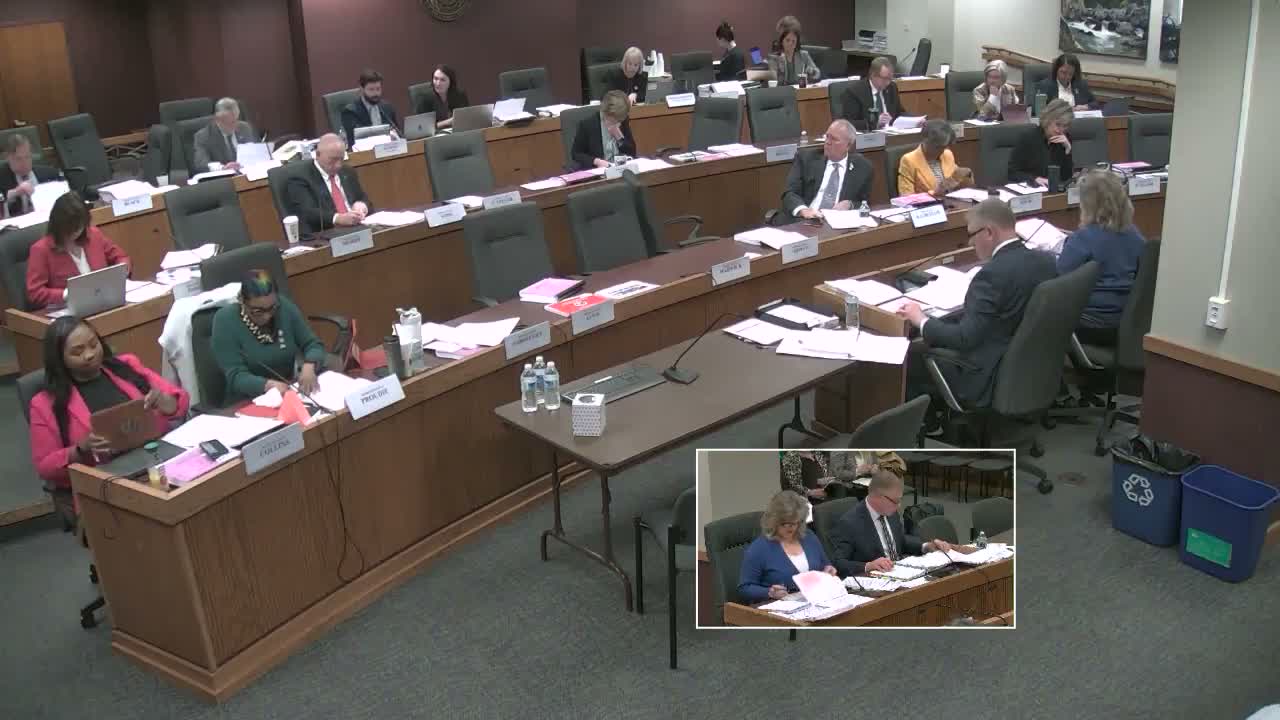
Summary
Lawmakers pressed the Department of Elementary and Secondary Education about delays to promised childcare-subsidy reforms — a pilot to pay providers on authorized enrollment and prospective payment — and whether FY27 funding is sufficient; DESE cited technical testing, a pilot that raised projected costs, and plans for a March waitlist and possible May rollout.
A Missouri House budget committee hearing on Feb. 9 put the Department of Elementary and Secondary Education on the spot over delayed changes to the state's childcare subsidy program and the budget needed to sustain them.
DESE presented a pilot that shifts payments from attendance-based billing to “pay on authorization,” a policy the governor publicly endorsed in his January inaugural address. Kyle Cruz, DESE deputy commissioner, said the department has run a pilot and initial runs indicated a material increase in spending that required further testing: "When they did this at first, there was an increase in cost when the first list of kids with all those that were authorized about 25%. And then once they marked the kids that were actually in attendance, it ended up being closer to 15%," Cruz said.
The committee pressed DESE on whether the FY27 governor's recommendation — which relies in part on one-time federal and state balances — will support a full rollout. Pam Victor, DESE chief budget officer, outlined how payments are timed and the department's conservative approach: "This grant gets paid out actually in 2 installments, 1 in January ... and then we make the remaining payment in May," she said, noting data‑validation steps and a decision to hold a pilot group before a larger go‑live.
Why it matters: providers and advocates were told changes would arrive this fiscal year. Several lawmakers described the promise as crucial to provider stability and expansion, particularly for small centers that rely on predictable subsidy payments. Members warned that starting pay on authorization without sufficient funding or a tested system could destabilize providers who already operate on thin margins.
What DESE is proposing: officials described a staged approach. The department plans a March 1 waitlist to limit enrollment if costs exceed projections, continued pilot testing, and a target for a wider rollout in May if software and fiscal results are satisfactory. DESE staff said prepay (a one‑time transition payment intended to move providers from arrears to prospective payments) remains under consideration.
Budget tradeoffs and safeguards: DESE walked members through rate enhancements (accreditation, special‑needs, disproportionate‑share supplements), the latest 2024 market rate study, and integrity measures that include annual physical inspections, desk reviews of claims (20–30% sampling), and referrals to welfare investigators when suspicious activity appears. Victor and staff warned the committee that moving to pay on authorization would require careful budget management, possibly including a hard waitlist and adjustments to rate enhancements if appropriations fall short.
Lawmakers' response: members from both parties signaled frustration with repeated delays and asked for detailed scenario projections comparing: (1) continuation of pay‑on‑attendance through 6/30/2027, (2) a move to pay on authorization beginning in a near term month, and (3) a version that adds prospective payment. DESE agreed to provide the scenarios and more granular age and IEP trend data requested by the committee.
Next steps: DESE committed to follow up with written projections and additional details on fraud‑prevention metrics, the pilot results, and implementation timelines. The committee reserved judgment pending those materials and the larger FY27 budget decisions that could constrain or enable a statewide rollout.