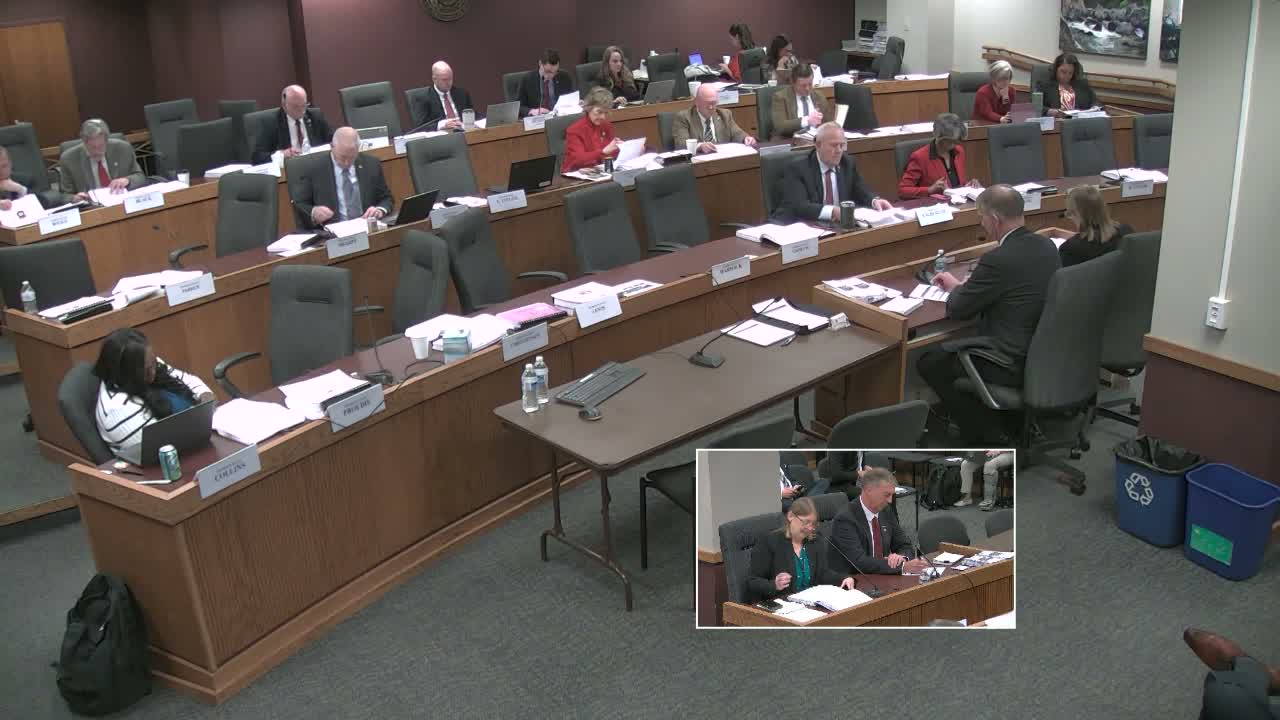
Committee presses Veterans Commission and Gaming on fund flows; veterans homes staffing and capital needs highlighted
Loading...
Summary
Lawmakers questioned the Veterans Commission about capital projects, unexpended appropriation authority and staffing shortages at several veterans homes; the Gaming Commission explained statutory transfers, sports-wagering revenues and the compulsive-gambling prevention fund created by the initiative petition.
Members pressed the Missouri Veterans Commission about a suite of capital and operating items for the state's veterans homes. Paul Kirchoff, executive director, said the Veterans Homes Fund is a mix of resident payments, VA reimbursements and state cash transfers; additional capital work has required closing wings temporarily for renovation. He said staffing gaps, particularly certified nursing assistants (CNAs), prevent immediate increases in census even when capital projects complete.
Lawmakers asked why substantial authority remained as "unexpended" and whether marijuana-related transfers and gaming boarding fees were being applied efficiently. Staff explained some authority is carry-forward from earlier transfers (medical-marijuana proceeds in earlier years) and that the new recreational-marijuana flows are being restructured to transfer more directly to the Homes Fund under the governor's recommendation.
The Missouri Gaming Commission explained how sports-wagering proceeds are allocated: operating costs and commission expenses first, then a minimum $5 million or 10% (whichever is greater) to compulsive-gambling prevention, and the remainder to education. The commission noted the sports-wagering market is early and promotions/deductions affected month-one numbers; audits and integrity monitoring are required of licensees and state audits are planned.
Members asked about expanding grant-funded veteran-service-officer programs to reduce wait times for claims, and whether funds could be redirected to cover operational shortfalls. Commission staff said state VSOs number about 50 and grant partners (VFW, American Legion) act as force multipliers; expanding grant programs could help but full-time state staff remain key to reducing wait times in rural areas.