Missouri patients and clinicians urge ban on "copay accumulator" plans; insurers and unions urge caution
Loading...
Summary
Sponsors told the committee HB 19 41 and HB 22 79 would require insurers to count patient or third-party out-of-pocket payments toward deductibles and out-of-pocket maximums, arguing the change preserves access to high-cost, lifesaving drugs; insurers and some unions opposed or sought carveouts for self-funded plans and raised concerns about premium and market impacts.
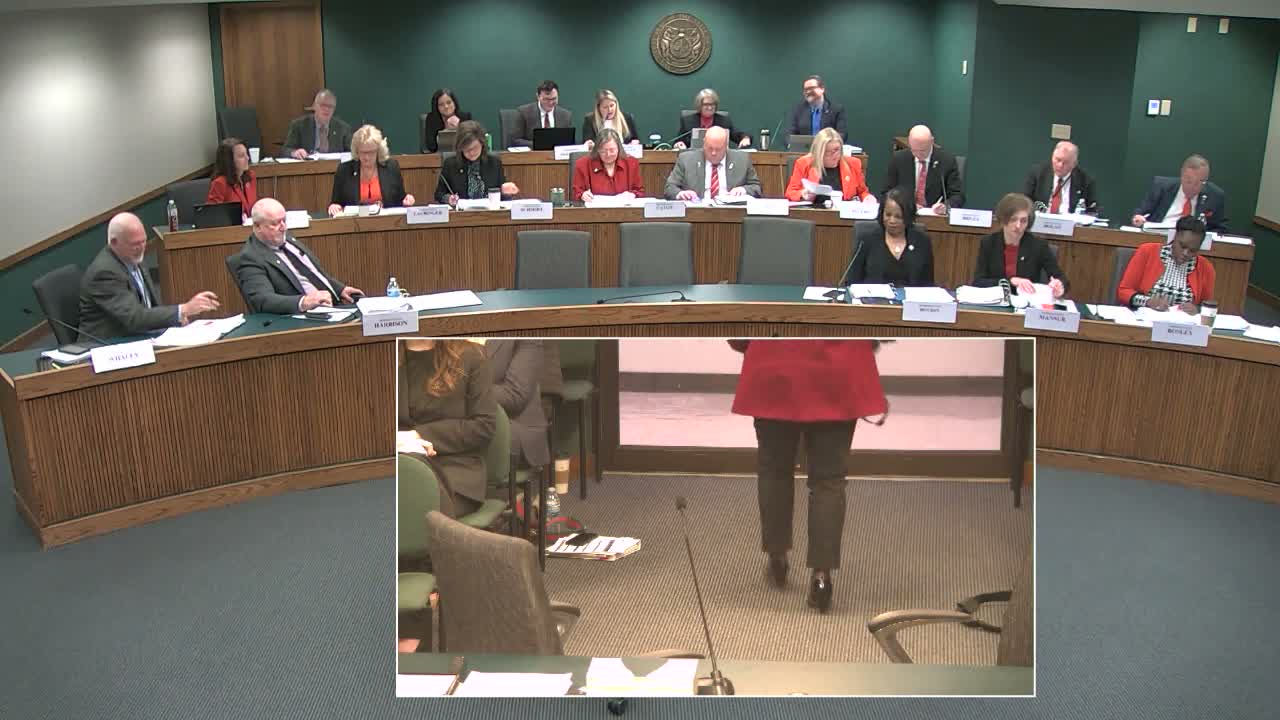
Representatives presenting HB 19 41 and HB 22 79 told the House Health and Mental Health Committee the bills would stop insurers from excluding manufacturer or charitable assistance from a patient's deductible and maximum out-of-pocket calculations. Sponsors said the practice, known as copay accumulator adjustment, can force patients on expensive biologic or specialty medications to face large mid-year bills despite prior assistance that reduced point-of-sale costs.
"This is patently unfair," Representative Heruza told the committee, describing patients who qualify for life-saving drugs but face a second deductible because insurers treat third-party assistance as a discount the insurer keeps. Sponsors said the change is already law in many states and that the bills would apply prospectively to new or renewed plans.
Patients and clinicians provided detailed testimony. Rheumatologist Dr. Mark Box described patients who have reported $5,000 bills at pharmacy pick-up despite earlier assistance covering thousands of dollars, calling the effect "not something that is ethical" and saying patients sometimes stop medication when they hit an uncovered bill. Patient advocates, including Bridget Tyree of the Gateway Bleeding Disorders Association and Gabby Flores, said many prescription assistance programs are the only way patients can afford their medicines and urged the committee to count those payments toward deductibles.
Opponents included America's Health Insurance Plans and the Missouri Insurance Coalition. Shane Cooper of AHIP said the rule would affect a minority of plans (roughly 28% of the market in testimony), and cautioned that employer and self-funded plans use accumulator structures as a cost-management tool. Mark Dalton of the Mid America Carpenters Regional Council, representing a large self-funded plan, told the committee his fund relies on rebate or assistance mechanics to spread costs across 24,000 members and urged carveouts for self-funded plans covered by ERISA.
Pharmaceutical-industry witnesses described billions in patient assistance and said the programs help patients who are approved for expensive drugs to afford ongoing treatment; manufacturers and patient groups disputed claims that accumulator bans increase premiums and pointed to 26 states and the District of Columbia with similar laws.
The committee heard extensive testimony on both sides but did not record a final committee vote on the copay accumulator bills during this session; the hearing concluded and the committee adjourned for the day.