Get AI Briefings, Transcripts & Alerts on Local & National Government Meetings — Forever.
Nebraska committee hears mixed views on co‑pays for Medicaid expansion enrollees under federal HR1
Loading...
Summary
LB929 would require Nebraska to impose HR1‑mandated Medicaid expansion co‑pays at the lowest federal minimum, delay broad implementation until federal deadlines, and protect patients from denial of services for inability to pay. Hospitals, clinicians and advocacy groups said co‑pays deter care and raise uncompensated care; DHHS sought flexibility to target overuse and operationalize implementation with CMS guidance.
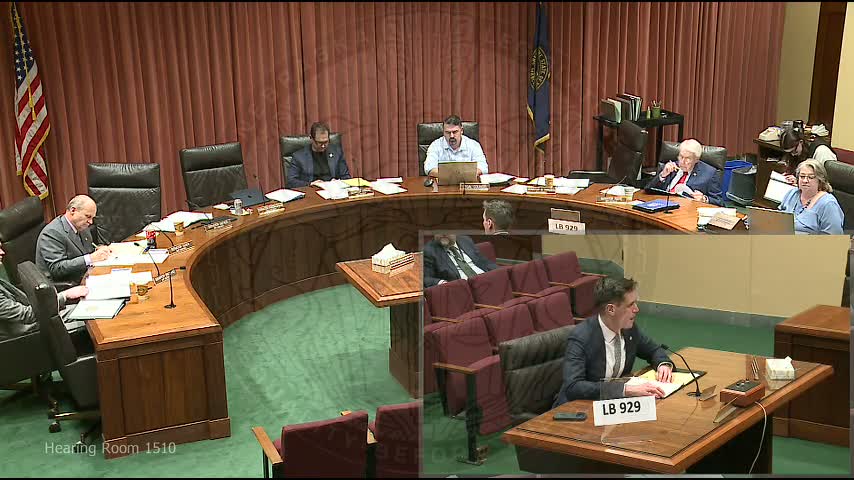
Sen. John Fredericksen told the Health and Human Services Committee that LB929 seeks to implement the co‑pay requirements of the federal HR1 budget law in a way that minimizes harm to low‑income Nebraskans. The bill would prohibit DHHS from imposing co‑payments beyond those required by federal law, require any state co‑payments to be set at the minimum allowable level, allow managed‑care organizations to pay costs on behalf of enrollees, and prohibit denial of items or services for inability to pay.
A broad set of health‑care providers and patient advocates urged the committee to adopt the guardrails. Sarah Marash of Nebraska Appleseed said modest co‑pays deter care and that HR1’s design will lead some older adults and people with chronic conditions to pay hundreds annually; rural hospitals and clinicians emphasized that collecting co‑pays from Medicaid patients is administratively costly and often unsuccessful.
Providers described how even small sums can change care decisions: Jim Ulrich, CEO of York General Hospital, said rural hospitals typically write off Medicaid co‑pays and that introducing co‑pays could increase uncompensated care and deter preventive visits that avert emergency admissions. Student‑run clinic witnesses and AARP representatives said co‑pays could increase medical debt and prompt missed care among older adults and people with chronic disease.
DHHS Director of Medicaid Drew Gonshorowski opposed LB929’s limits, saying the department needs operational flexibility to implement federal law thoughtfully and to target cost sharing to services where inappropriate utilization occurs. The department warned early statutory constraints could create compliance and implementation challenges and reduce program‑integrity tools.
Committee members spent much of the hearing probing the fiscal note, which projects collections if co‑payments are imposed, and asking whether CMS guidance is finalized. DHS said many implementation decisions remain subject to CMS guidance and that the state must balance member protections with program integrity. No committee vote was taken at the hearing.